We may earn a commission when you buy through links on this page, at no extra cost to you. How this works.
GelPro Anti-Fatigue Designer Kitchen Floor Mat, 20x32, Trellis Khaki
Compare five mats built to reduce standing pain and fall risk in the kitchen.
Fit and safety come first
Use the comparison as a shortlist, but keep fit, comfort, and any health or safety constraints ahead of price.
Finding the right anti-fatigue mat for a senior's kitchen means balancing cushioning depth against slip resistance, cleaning convenience against durability, and upfront cost against long-term wear. A thicker mat typically offers more pressure relief for knees and lower back, but may create a trip hazard if edges aren't beveled or if the material is too soft. Mats with aggressive traction perform well on tile but can be harder to sweep under or move for mopping. Surface texture affects both grip and how easily spills wipe clean.
Your parent's standing habits shape which tradeoffs matter most. Someone who cooks multiple meals daily benefits from deeper foam and a larger footprint, while occasional use favors a thinner profile that stays flat and stores easily. Kitchen layout plays a role too: galley kitchens need narrow mats that don't block walkways, and spaces with islands or multiple work zones may require more than one mat or a longer runner style.
The five mats compared here represent distinct approaches. One prioritizes maximum cushioning with thick gel-foam construction but requires more frequent cleaning. Another uses a firm, beveled design that resists curling and suits walkers or canes, though it offers less plush feel. A third balances moderate thickness with a textured, stain-resistant surface. A fourth focuses on affordability and lightweight portability, accepting shorter lifespan. The fifth targets easy maintenance with a smooth, washable finish, trading some traction for convenience.
Price range spans budget options under thirty dollars to premium mats near seventy, with durability and material quality generally tracking cost. Compression resistance - how well the foam rebounds after months of use - varies widely and directly affects how long the mat continues to reduce standing fatigue. Edge design, whether tapered or square, influences trip risk and whether the mat lies flat near appliances or cabinet kick plates.
This guide walks through each mat's specific build, dimensions, and performance characteristics so you can match features to your parent's real kitchen routine and mobility needs.
Buyer's Guide: What to Look for in a Mat for an Elderly Parent
- Thickness: 3/4 inch minimum for joint relief; 2+ inches for severe back or knee pain
- Non-slip backing: rubber or textured grip that stays flat on tile, hardwood, or vinyl
- Size and shape: measure counter length and sink zone; longer mats cover more standing area
- Surface texture: smooth for easy wiping; textured for extra traction in wet areas
- Edge design: beveled or tapered to prevent tripping when stepping on or off
- Material: gel for durability, memory foam for softness, high-density foam for support
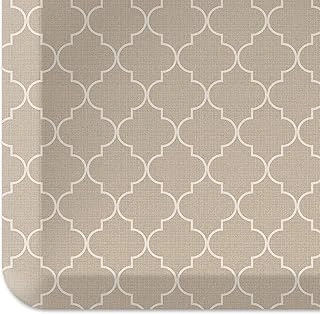
GelPro Anti-Fatigue Designer Kitchen Floor Mat, 20x32, Trellis Khaki
Seniors who stand for multiple minutes or longer at the sink or stove need support that lasts beyond the first few uses. The GelPro Anti-Fatigue Designer Kitchen Floor Mat delivers consistent cushioning through a gel core that returns to shape after each use, making it a reliable choice for daily kitchen tasks.
At 20 by the listed size, this mat covers the sink zone without crowding narrow galleys or doorways. The Trellis Khaki pattern blends into neutral kitchens, and the non-slip backing keeps the mat flat on tile, hardwood, or laminate. Seniors concerned about tripping will appreciate that the edges stay put and the surface resists curling.
The gel core spreads pressure more evenly than flat foam, which helps when shifting weight from foot to foot during meal prep or dishwashing. This mat works best for those who spend extended periods in one spot rather than moving constantly between counters. At $52.99 with a 4.5 rating, it sits between budget foam options and premium thicker models.
Cleaning requires only a damp cloth, and the surface dries quickly enough to use again within minutes. The mat stays firm underfoot without compressing into a thin layer over time, though it won't feel as plush as memory foam if deep softness is the priority. For seniors balancing comfort, stability, and a decorative finish that doesn't look clinical, this mat offers a practical middle ground.
- ✅ Gel core maintains cushioning over time without flattening
- ✅ 20x32 size fits standard sink zones in most kitchen layouts
- ✅ Non-slip backing keeps mat flat and reduces trip hazards
- ✅ Trellis Khaki pattern blends into neutral kitchen decor
- ✅ Easy to clean with damp cloth and quick-drying surface
- ⚠️ Firmer feel than memory foam mats if deep plushness is preferred
- ⚠️ Works best for stationary standing rather than frequent movement
- ⚠️ Single size may not cover wider counter spans
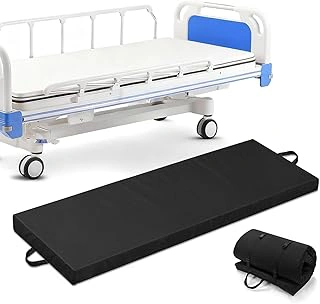
JZHLLA Bedside Fall Mat, 2.5 Inch Rollable High Density Foam, 71.6x24 Inch
Seniors who spend long stretches at the stove or sink need cushioning that covers the full work zone, and the JZHLLA mat delivers the listed size of continuous support under a 2.5-inch foam core. That extra-thick construction spreads weight more evenly than thinner gel pads, so knees and lower back feel less pressure during meal prep or cleanup. The high-density foam bounces back after every step, maintaining its loft even when someone stands in one spot for an extended period.
At just under six feet long, this mat fits galley kitchens and long counter runs without gaps, which means less shuffling between bare floor and cushioned zones. When storage is tight, the foam rolls into a compact cylinder and tucks into a pantry or closet. The 4.9 rating reflects strong owner satisfaction, particularly among families who prioritize fall cushioning and joint comfort over ultra-thin profiles.
Because the surface is open-cell foam rather than a sealed vinyl or rubber skin, spills absorb more quickly and require prompt blotting. Families managing diabetes-related neuropathy or arthritis will appreciate the deep cushion, but anyone prone to dropping liquids should keep a towel nearby. Measure your counter length before ordering - this mat's generous footprint can overwhelm compact U-shaped kitchens or narrow galley aisles.
- ✅ 2.5-inch thickness reduces joint pressure during extended standing
- ✅ 71.6-inch length covers long counter runs without gaps
- ✅ Rollable design simplifies storage in tight spaces
- ✅ High-density foam maintains loft over time
- ⚠️ Open-cell foam absorbs spills and requires prompt cleaning
- ⚠️ Six-foot length may be too large for compact or U-shaped kitchens
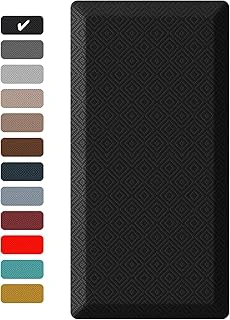
Ophanie Anti-Fatigue Cushioned Kitchen Floor Mat, 3/4 Inch Thick, 20x39
Daily cooking puts constant pressure on knees and lower back, and a mat that softens that load while staying easy to clean makes a practical difference. The Ophanie Anti-Fatigue Cushioned Kitchen Floor Mat delivers 3/4-inch cushioning across a 20x39-inch surface, large enough to cover most sink and prep zones without crowding smaller kitchens. Rated 4.7 out of 5, this mat uses a wipeable surface that handles spills, splashes, and dropped ingredients without staining or absorbing odors - an advantage over foam alternatives that can hold moisture and develop smells over time.
That wipe-down ease matters when flour dusts the floor or grease splatters during stovetop work. A quick pass with a damp cloth restores the surface, and the material resists the kinds of discoloration that make other mats look worn after a few months of regular use. The 20x39 footprint fits comfortably in front of a standard sink or between counter and island, offering enough room to shift weight from foot to foot without stepping off the cushioned area.
The 3/4-inch thickness provides noticeable support for seniors who cook daily but need to balance comfort with stability. It compresses enough to reduce pressure on joints without feeling spongy underfoot, so balance remains predictable. That said, if severe knee pain is a concern, a one-inch mat like the JZHLLA may offer deeper pressure relief. The Ophanie strikes a middle ground: enough cushion to ease discomfort during longer meal prep, thin enough to avoid the feeling of standing on soft foam that some users find unsteady.
The non-slip backing keeps the mat in place on tile, vinyl, and sealed hardwood, and the beveled edges reduce the risk of toe-catch when stepping on or off. For seniors who prioritize quick cleanup and want a mat that stays fresh-looking without extra maintenance, this combination of cushioning, wipeable finish, and stable footing makes it a solid choice for everyday kitchen use.
- ✅ 3/4-inch cushioning reduces pressure on knees and lower back during meal prep
- ✅ Wipeable surface handles spills and splashes without staining or absorbing odors
- ✅ 20x39-inch size fits most sink and prep zones without crowding smaller kitchens
- ✅ Non-slip backing keeps mat stable on tile, vinyl, and sealed hardwood
- ✅ Beveled edges reduce toe-catch risk when stepping on or off
- ⚠️ Slightly thinner than one-inch mats, so less pressure relief for severe knee pain
- ⚠️ May feel too firm for users who prefer softer, foam-style cushioning
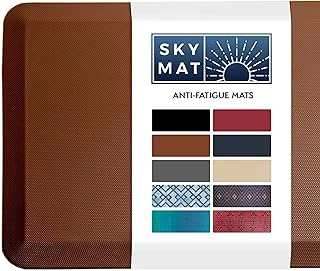
Sky Solutions Anti-Fatigue Cushioned Mat, 3/4", 20x39, Brown
Seniors who spend extended time cooking or doing kitchen prep often need a mat that will hold up under daily use without losing its cushion. The Sky Solutions Anti-Fatigue Cushioned Mat offers 3/4-inch thickness across a 20x39 footprint, providing substantial support for standing tasks. With a 4.5 rating, it has built a reputation for maintaining its shape in high-traffic areas, which matters when you need consistent underfoot comfort month after month.
The 3/4-inch profile sits between thinner budget mats and ultra-plush memory foam options. This thickness delivers noticeable cushioning for knees and lower back without the compression issues that can develop in softer foam over time. The textured surface adds traction, reducing slip risk when you shift weight or pivot while working at the counter.
At $46.99, this mat represents a mid-range investment for seniors prioritizing durability. The 20x39 size covers the sink-to-stove zone in most kitchens, though the brown color may not suit every décor palette. The textured finish can catch crumbs and requires more frequent sweeping than smooth rubber surfaces, but it contributes to the mat's non-slip performance.
If you stand in the kitchen daily and have seen cheaper mats flatten or curl at the edges after a few months, this model's construction addresses those frustrations. The tradeoff is a slightly busier cleaning routine and limited color flexibility, but the consistent support and stable edges make it a practical choice for seniors managing back or knee discomfort during meal preparation.
- ✅ 3/4-inch thickness provides substantial cushioning for back and knees
- ✅ 4.5 rating reflects strong durability in high-traffic use
- ✅ 20x39 size covers typical sink-to-stove kitchen work zones
- ✅ Textured surface adds traction and reduces slip risk
- ⚠️ Brown color may not coordinate with all kitchen styles
- ⚠️ Textured finish collects crumbs and requires more frequent cleaning
- ⚠️ $46.99 price point higher than basic foam mats
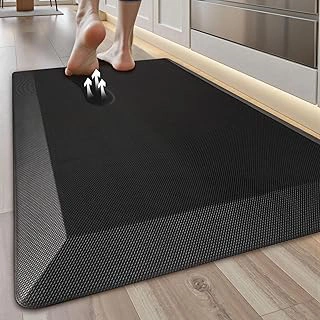
Anti-Fatigue Memory Foam Kitchen Floor Mat, 9/10 Extra Thick, 20x32
At $36.99, this 9/10-inch memory foam mat offers an affordable entry point for seniors looking to reduce pressure on the feet and legs during meal prep. The extra-thick cushioning adapts to your stance, spreading weight across the foam to ease discomfort when standing for extended periods. With a 4.6 rating, users appreciate the immediate soft feel underfoot and the noticeable difference compared to standing on tile or hardwood.
The 20×32-inch footprint fits well in front of a stove or sink in compact kitchens without overwhelming the space. Memory foam responds quickly to body weight, delivering a plush surface that can help take the edge off stiff knees and tired backs. For seniors who spend time cooking or washing dishes, the thickness provides a noticeable buffer between your body and a hard floor.
Keep in mind that memory foam tends to compress more quickly than gel-core or high-density foam alternatives, so the cushion may feel firmer over time with daily use. Cleaning also requires more attention - excessive water can lead to absorption and longer drying times, so spot cleaning is the safer approach. This mat works best for budget-conscious shoppers who want immediate comfort and don't mind replacing the mat sooner than a premium gel option. If you're comparing cost savings to a gel-core mat with a longer lifespan, weigh the upfront price against how many years of consistent cushioning you need.
- ✅ 9/10-inch extra-thick memory foam delivers immediate pressure relief
- ✅ 4.6 rating reflects strong user satisfaction
- ✅ $36.99 price point makes it accessible for budget-conscious seniors
- ✅ 20×32-inch size fits compact kitchen spaces without crowding
- ✅ Soft, responsive cushioning adapts quickly to body weight
- ⚠️ Memory foam may compress faster than gel or high-density alternatives
- ⚠️ Cleaning requires care to avoid water absorption and long drying times
- ⚠️ Cushion firmness may increase over time with daily use
How Anti-Fatigue Mats Reduce Pain and Prevent Falls
Standing on hard kitchen floors forces the body to work continuously to maintain balance, compressing joints and restricting circulation in the feet and legs. An anti-fatigue mat interrupts this cycle by offering a cushioned surface that encourages subtle movement - shifting weight from foot to foot becomes easier, which keeps blood flowing and reduces the static load on knees, hips, and the lower back.
Thickness and foam density determine how much pressure the mat absorbs. Mats between half an inch and three-quarters of an inch thick typically provide enough give to cushion joints without feeling unstable underfoot. Firmer, high-density foam supports heavier weights and resists bottoming out over time, while softer foam may feel plush initially but can compress too quickly, especially for seniors who spend extended periods preparing meals.
Non-slip backing is critical on tile, vinyl, or sealed wood floors where a shifting mat can become a tripping hazard. Textured rubber or suction-style backings grip the floor securely, so the mat stays in place during pivots or when you step on and off. Beveled edges that taper smoothly to the floor surface reduce the lip where the mat meets the tile, making it easier to roll a walker over or step onto without catching a toe.
Surface texture also matters for grip and comfort. A slightly raised pattern or gentle contour keeps feet from sliding when hands are full or floors are damp, while a completely flat surface may feel more predictable if balance is a concern. The right combination of cushioning, stable backing, and low-profile edges means fewer aches after an hour of standing and greater confidence moving around the kitchen without worry.
A Simple Way to Improve Kitchen Safety and Comfort
A well-chosen anti-fatigue mat can make kitchen time less painful and more secure without changing how your parent cooks or moves around the space. The difference comes down to three factors: thickness that cushions joints during long prep sessions, traction that keeps feet stable on tile or hardwood, and a surface that cleans quickly when flour or water spills.
Before you order, measure the counter zones where your mother stands longest - usually the sink and stove. Note whether she shifts her weight often or stays rooted in one spot, and think about whether she wears slippers or goes barefoot. Those details will tell you whether a firmer, thinner mat with aggressive grip works better than a plush option that might feel unsteady under certain footwear.
Compare the five mats on their actual specs: beveled-edge height, surface texture, and whether the material resists mold in a humid kitchen. Match those attributes to your parent's standing habits and the floor type. A mat that fits the task and the room will reduce discomfort and lower the chance of a stumble, giving both of you more confidence during meal prep.