We may earn a commission when you buy through links on this page, at no extra cost to you. How this works.
Hot water burns send thousands of older adults to the emergency room each year, often from a simple shower that suddenly shifts from comfortable to scalding. Seniors face a higher risk because reaction time slows with age and skin becomes thinner, reducing the window to move away from dangerously hot water before injury occurs.
Anti-scald valves exist to prevent these sudden temperature spikes, but they differ significantly in where they install, how precisely they control temperature, and what you'll spend. Some mount directly at the showerhead and require no plumbing work, while others install at the mixing valve behind the wall or under the sink, offering tighter temperature limits but demanding more labor. One type uses mechanical pressure balancing to smooth out temperature swings when a toilet flushes; another relies on thermostatic mixing to hold an exact maximum temperature regardless of supply fluctuations.
This guide compares four anti-scald solutions across three practical dimensions: installation complexity, temperature precision, and cost. You'll see one showerhead-mounted option that any family member can swap in ten minutes, a thermostatic mixing valve that a plumber installs for whole-bathroom protection, a pressure-balancing valve cartridge for existing trim kits, and a point-of-use valve designed for under-sink placement. Each solves the scald problem differently, and the right choice depends on whether you prioritize ease of installation, control accuracy, or coverage for multiple fixtures.
Fit and safety come first
Use the comparison as a shortlist, but keep fit, comfort, and any health or safety constraints ahead of price.
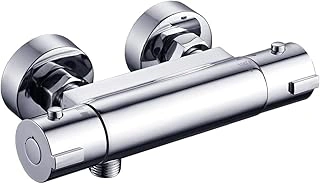
MISSMIN 4 Inch Thermostatic RV Shower Faucet Valve
The MISSMIN 4 Inch Thermostatic RV Shower Faucet Valve offers a mid-priced approach for households replacing an aging shower valve assembly during a bathroom update. Priced at $69.99 with a 4.2 out of 5 rating, this valve provides built-in temperature regulation in a compact unit originally designed for RV installations, which translates to a space-efficient profile behind residential walls.
Unlike surface-mount mixing valves that sit outside the shower, this system requires opening the wall to swap out the existing valve body. That means coordinating with a plumber and patching tile or drywall afterward. It works well when a bathroom is already scheduled for renovation or when the current hardware has begun to leak or corrode. The thermostatic cartridge adjusts automatically when pressure shifts, keeping water temperature steady even if someone flushes a toilet or starts the washing machine.
The four-inch faceplate mounts flush to the wall, with separate hot and cold handles flanking a center temperature dial. Turning the dial sets the maximum output temperature; once calibrated, the valve won't exceed that limit no matter how far the hot handle opens. This setup gives caregivers control over peak temperature while still allowing the user to adjust flow and find a comfortable warmth within the safe range.
Because this is a complete valve replacement rather than an add-on device, installation takes longer and costs more in labor. Budget for professional help unless you have plumbing experience and the right tools to solder copper or secure PEX connections behind the wall. The compact RV-style design does make it easier to fit into tight stud bays, and the all-in-one construction means fewer separate components to align.
If you plan to renovate and want thermostatic protection integrated into the shower itself, this valve delivers consistent temperature control at a reasonable upfront cost. For homes not ready to open walls, a surface retrofit or point-of-use device will be faster and less invasive.
- ✅ Thermostatic cartridge maintains steady temperature during pressure changes
- ✅ Compact four-inch profile fits standard stud spacing
- ✅ Adjustable temperature limit dial prevents accidental scalding
- ✅ Mid-range price point for a complete valve replacement
- ⚠️ Requires opening the wall and professional plumbing work
- ⚠️ Installation involves tile or drywall patching afterward
- ⚠️ Not a quick retrofit option for intact bathrooms
What Is an Anti-Scald Shower Valve and How Does It Work?
An anti-scald shower valve sits between your water supply and the showerhead, automatically adjusting the mix of hot and cold water to keep outlet temperature within a safe range. These valves work through two different mechanisms, each with its own installation point and level of precision.
Pressure-balancing valves monitor the incoming pressure on both the hot and cold supply lines. When pressure drops on one side - typically when a toilet flushes or a washing machine starts - the valve immediately reduces flow from the other side to maintain a steady ratio. This prevents sudden temperature spikes, but the final temperature can still drift a few degrees depending on your water heater setting. Pressure-balancing valves are built into the shower valve body during rough-in plumbing, making them a good choice during new construction or full bathroom remodels.
Thermostatic mixing valves use a wax or liquid-filled element that expands or contracts in response to water temperature. When the blended water exceeds a preset limit - often 120°F or lower - the element physically shifts to reduce hot water flow and increase cold. This provides tighter control, usually within one or two degrees, and many thermostatic models allow you to adjust the maximum temperature with a dial or set screw. Thermostatic valves can install at the shower valve, under the sink as a point-of-use device, or inline near the showerhead, giving you flexibility if you're retrofitting an existing bathroom.
The trade-off is straightforward: thermostatic valves cost more and may require occasional recalibration, but they respond directly to temperature rather than pressure, making them more reliable when water heater settings fluctuate or multiple fixtures run at once. Pressure-balancing valves are simpler and less expensive, but they assume your water heater is already set to a safe baseline temperature and won't compensate if that setting drifts higher over time.
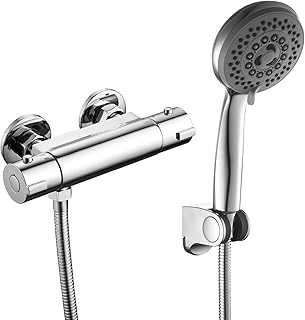
MISSMIN 4 Inch RV Thermostatic Shower Mixing Valve Kit
The MISSMIN 4 Inch RV Thermostatic Shower Mixing Valve Kit arrives with everything needed for installation: the thermostatic valve body, trim plate, handles, temperature dial, and all mounting hardware in one package. Priced at $89.99 with a 4.6/5 rating, this kit costs about multiple more than a bare valve alone but reduces the need to source matching trim pieces separately.
The thermostatic cartridge blends hot and cold water to maintain a set temperature, automatically adjusting flow ratios when supply pressure shifts. Like other in-wall valves, this requires opening the shower wall to connect to existing hot and cold supply lines and reinstalling or patching drywall afterward. The 4-inch trim plate covers the rough opening and provides the user interface for temperature and flow control.
DIYers comfortable with basic plumbing will appreciate the unified design: handles and trim match out of the box, reducing the guesswork around compatibility. The kit simplifies the parts list but does not change the installation complexity - you still need wall access, soldering or compression fittings for copper or PEX, and familiarity with shutoff procedures. If your project already involves a bathroom remodel or accessible plumbing, this complete package saves trips to the hardware store and ensures a cohesive finish.
Compared to the bare valve option reviewed earlier, the MISSMIN kit trades a modest price increase for convenience and a finished look. Compared to under-sink or point-of-use devices, it offers whole-shower temperature control but demands more invasive installation. Choose this kit if you're renovating, have wall access, and want a single-box solution that includes both the thermostatic mixing function and the visible hardware your parent will use daily.
- ✅ Complete kit with valve, trim, handles, and hardware in one package
- ✅ 4.6/5 rating
- ✅ Thermostatic mixing adjusts automatically to maintain set temperature
- ✅ Matching trim and handles eliminate compatibility concerns
- ⚠️ Requires opening shower wall for installation
- ⚠️ More expensive than bare valve at $89.99
- ⚠️ Not a retrofit solution - needs wall access and plumbing work
Types of Anti-Scald Valves: Thermostatic vs. Pressure-Balancing
Two main valve types protect against sudden temperature spikes in the shower: thermostatic mixing valves and pressure-balancing valves. Each works differently, and understanding the difference helps explain why some options cost more or require professional installation.
Thermostatic mixing valves use a wax or bi-metal element that expands when water reaches a pre-set temperature limit. As the element expands, it restricts the flow of hot water to keep the mixed output at a safe, steady temperature. Even when someone flushes a toilet or starts the dishwasher elsewhere in the house, a thermostatic valve compensates automatically to hold the shower temperature constant. This makes them especially reliable for homes with unpredictable water demand.
Pressure-balancing valves take a simpler approach: they equalize the pressure between the hot and cold water lines. If cold water pressure drops suddenly - say, from a toilet flush - the valve reduces hot water flow proportionally to prevent a scalding surge. Pressure-balancing designs are less expensive and often easier to retrofit into existing plumbing, though they may not hold temperature as precisely as thermostatic models during smaller fluctuations.
The trade-off comes down to precision versus simplicity. Thermostatic valves deliver tighter temperature control and are the better choice when exact consistency matters, but they cost more and usually need a plumber to install. Pressure-balancing valves offer solid protection at a lower price point and can sometimes be added without major plumbing work, making them practical for quick upgrades or tighter budgets. Knowing which type each product uses will help you match the right valve to your household's water system and installation tolerance.
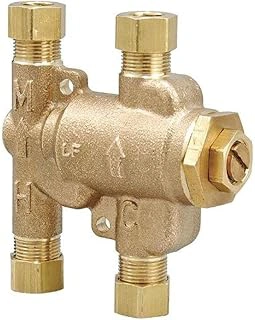
Watts USG-B-M2 3/8" Under Sink Guardian Thermostatic Mixing Valve
The Watts USG-B-M2 installs under the bathroom sink, protecting every fixture downstream - shower, tub, and faucet - from a single connection point. A licensed plumber connects the valve to the hot and cold supply lines beneath the vanity, then routes the mixed-temperature output to all three fixtures. No shower walls to open, no tile to replace, and no access panels to cut.
This approach makes sense for renters, condo owners with restrictive HOA rules, or anyone facing expensive tile work to reach in-wall plumbing. The thermostatic element automatically blends hot and cold water to maintain a preset maximum temperature, typically adjustable between multiple°F and multiple°F. If the cold supply fails, the valve shuts off hot water flow to prevent scalding.
The trade-off: at $109.99, this valve costs more than most single-fixture options, and it limits temperature for the entire bathroom rather than one outlet. If your parent needs hot water at the sink for shaving or washing but a lower shower temperature, this system cannot differentiate. Installation requires enough clearance under the sink cabinet - measure the space before ordering, because the brass body and three connection points need room to maneuver.
The 4.6-out-of-5 rating reflects solid performance once installed, though a few buyers noted that achieving the correct temperature setting took trial and adjustment. Plan for a follow-up visit after the first few showers to fine-tune the dial. The valve protects multiple points from one location, which can justify the higher price if wall access is impossible or prohibitively expensive.
- ✅ Installs under the sink with no need to open shower walls or remove tile
- ✅ Protects shower, tub, and sink from one thermostatic valve
- ✅ Automatically shuts off if cold water supply fails
- ✅ Adjustable temperature limit typically between 95°F and 131°F
- ⚠️ Higher upfront cost at $109.99 compared to single-fixture valves
- ⚠️ Limits temperature for all bathroom fixtures, not just the shower
- ⚠️ Requires adequate clearance under the sink cabinet for installation
- ⚠️ May need follow-up adjustment to dial in the correct temperature setting
Key Features to Consider Before You Purchase
- Installation location: in-wall shower valve, under-sink whole-bathroom, or inline showerhead adapter
- Temperature control method: thermostatic (wax element, precise limit) vs. pressure-balancing (surge protection, broader range)
- Maximum temperature setting: look for models that lock at 120°F or allow caregiver-set cap
- Plumbing compatibility: check inlet/outlet thread size (1/2 NPT, 3/8 compression, G1/2) and whether your pipes are copper, PEX, or CPVC
- Installation complexity: DIY surface mount vs. professional in-wall rough-in vs. under-sink plumber call
- Coverage area: single shower fixture vs. all bathroom outlets on one supply line
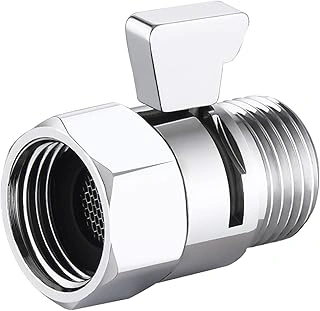
Carvedexquisitely Shower Head Brass Shut Off Valve, G1/2 Water Pressure Regulator, Chrome
At $7.58, the Carvedexquisitely G1/2 brass shut-off valve is the most affordable option in this guide - but it serves a fundamentally different purpose than the thermostatic valves above. This chrome-plated pressure regulator installs in minutes between your shower arm and showerhead using only a wrench, with no plumbing modifications or wall access required.
The device stabilizes water pressure, which can help reduce sudden hot bursts caused by pressure imbalances when toilets flush or washing machines cycle. However, it does not monitor or limit water temperature directly. If your water heater delivers scalding water at steady pressure, this valve will not cap it. It lacks the thermostatic wax element or mixing chamber that physically blocks water above a set temperature threshold.
With a 4.6 out of 5 rating, users appreciate the straightforward installation and noticeable reduction in pressure surges. The brass construction and G1/2 threading fit standard U.S. shower arms, and the inline design adds less than an inch to the overall length.
This valve works best as a supplementary measure when budget is the primary constraint or when you want to test whether pressure fluctuations - rather than baseline heater temperature - are the main concern. Pairing it with a lower water heater setting (multiple°F or below) can provide a basic layer of protection in situations where full thermostatic control is not immediately feasible. For elderly parents at higher risk of scald injury, the thermostatic options earlier in this guide offer more reliable temperature safety.
- ✅ Installs in minutes with no wall access or plumbing work
- ✅ Reduces pressure surges that can trigger sudden hot bursts
- ✅ Affordable entry point at $7.58
- ⚠️ Does not cap or regulate water temperature directly
- ⚠️ No thermostatic protection if water heater delivers steady scalding flow
- ⚠️ Limited safety compared to mixing valves
Installation and Maintenance Tips for Peace of Mind
Getting the valve installed correctly matters as much as choosing the right model. In-wall thermostatic mixing valves deliver the most comprehensive protection, but they require cutting into drywall, soldering copper or connecting PEX lines, and meeting local plumbing codes. Hiring a licensed plumber ensures the rough-in dimensions match your shower body, the cartridge seats properly, and the work passes inspection. Most manufacturers void warranties if a non-certified installer damages internal components during installation.
Under-sink point-of-use valves and inline hose adapters are more approachable for confident DIYers. You'll still need to shut off the water supply at the main or fixture valve, drain residual pressure, and wrap threads with Teflon tape to prevent leaks. Take your time with thread engagement - cross-threading a brass body or cracking a compression nut can turn a simple swap into an expensive repair.
Once the valve is in place, test it quarterly. Run hot water at the fixture until the thermostatic element engages and the temperature plateaus. If the cap temperature creeps higher than the dial setting, sediment or mineral scale may be coating the wax element or piston. An annual flush or cartridge inspection keeps the mechanism responsive and extends service life. Some cartridges lift out by hand after removing a retaining clip; others require a hex key and gentle wiggling to avoid scoring the valve seat.
Your final decision hinges on plumbing access, budget, and coverage scope. Homes with accessible crawl spaces or unfinished basements suit in-wall installations. Renters and those in slab-on-grade buildings often find under-sink or inline models easier to permit and reverse. Single-fixture protection works when one bathroom sees the most use by an elderly parent, while whole-home mixing valves make sense if multiple fixtures pose scald risk. Match the valve type to your physical layout and the level of protection your household needs, and you'll gain peace of mind without overspending on features you can't use.