We may earn a commission when you buy through links on this page, at no extra cost to you. How this works.
Taneltik 15-39" Telescopic Aluminum Alloy Folding Shoe Horn with Long Handle
Compare four long-handled shoehorns by reach, durability, and ease of use.
Fit and safety come first
Use the comparison as a shortlist, but keep fit, comfort, and any health or safety constraints ahead of price.
Bending to put on shoes becomes a challenge when flexibility declines, yet maintaining the ability to dress yourself preserves dignity and routine. A long-handled shoehorn extends your reach so you can slip on footwear while standing or sitting upright, eliminating the need to twist or stoop.
The market offers dozens of shoehorns, but four models stand out when you compare reach, material durability, portability, and price. Reach determines whether you can use the tool from a chair or while standing; models between 24 and 32 inches suit most seniors, while shorter handles may still require awkward bending. Material affects longevity and weight: metal shoehorns last longer but add heft, plastic versions stay lightweight yet may crack under repeated stress, and wood splits the difference. Portability matters if you travel or move between rooms; a fold-flat or compact design fits into a bag, whereas a rigid 30-inch shaft stays at home. Price ranges from under ten dollars for basic plastic to around thirty for premium metal construction.
These four shoehorns represent the practical spread of those variables. One prioritizes maximum reach for users who dress from a wheelchair or high chair. Another balances moderate length with a sturdy metal build for daily bedroom use. A third folds for portability without sacrificing functional length. The fourth offers an budget-friendly lightweight option for occasional use or trial. By comparing them side by side on reach, material, portability, and cost, you can match the right tool to your flexibility, living situation, and budget instead of guessing which features matter most.
What to Look for in a Long-Handled Shoehorn
Choosing the right long-handled shoehorn depends on how far you need to reach, where you'll use it, and how much support your grip requires. Handle length determines whether you can put on shoes while standing or sitting upright without bending - models range from around 18 inches to well over 30 inches. Material affects both durability and weight: metal shoehorns tend to last longer and slide more smoothly, while plastic versions are lighter and easier to pack for travel.
Grip comfort matters if you have limited hand strength or arthritis. Look for handles with contoured shapes, rubberized coatings, or wider diameters that distribute pressure across your palm. Weight plays a balancing role - heavier metal designs offer stability and won't flex when you apply pressure, but lighter plastic or composite models reduce arm fatigue during repeated use.
Portability becomes important if you travel frequently or want a shoehorn in multiple rooms. Shorter designs fit more easily into a suitcase or bedside caddy, though they sacrifice some reach. A hanging loop or hook lets you store the shoehorn on a closet rod or walker, keeping it within arm's reach without taking up floor space.
Some shoehorns include a second hook or notch at the top to help pull off socks or adjust clothing, adding utility beyond shoe dressing. Comparing these features across the four products below will show you which tradeoffs align with your daily routine and mobility needs.
How to Choose the Right Shoehorn for Your Parent
Choosing a long-handled shoehorn that your parent will actually use starts with matching the tool to their physical needs and daily routine. Measure the distance from their seated shoulder to the floor - this number tells you the minimum reach required. Someone with hip arthritis or a fusion typically needs 24 to 30 inches, while a person recovering from knee surgery may do fine with 18 to 22 inches.
Weight matters when grip strength is limited. A metal shoehorn that feels solid in your hand may become fatiguing after two shoes if your parent's hand strength has declined. Plastic and composite models under four ounces reduce strain, though they sacrifice some durability. Test the balance point: a top-heavy design makes alignment harder.
Portability becomes relevant if your parent splits time between homes, travels to visit family, or attends regular appointments. A collapsible or travel-length shoehorn fits in a carry-on or tote bag, but the folding joint introduces a potential failure point. For someone who dresses in the same room every day, a full-length rigid model offers more stability and eliminates the step of assembly.
Hook angle and width affect how easily the shoehorn guides the heel into the shoe. A wider, flatter hook works better with athletic shoes and slip-ons, while a narrow, curved profile suits dress shoes and boots with structured heel counters. If your parent wears orthotics or has swelling, verify the hook can accommodate the added volume without forcing the foot.
Budget considerations depend on trial versus commitment. If this is the first adaptive tool your parent has agreed to try, a lower-cost option reduces financial risk and emotional pressure. Once the habit is established and the benefit is clear, upgrading to a more durable or ergonomic model makes sense. Avoid framing the shoehorn as a sign of decline - position it as a practical solution that saves time and effort, similar to a reacher or a long-handled sponge.
Acceptance often hinges on autonomy. Let your parent choose the color, length, or style when possible. Place the shoehorn in a visible, convenient spot rather than hiding it in a closet, which signals shame. Demonstrate the technique once without taking over the task, and step back. Independence tools work best when the user feels in control of the decision and the process.
Tips for Introducing New Assistive Devices
Introducing a new assistive device works best when the tool becomes part of the environment before the conversation begins. Place the shoehorn visibly near the shoes your loved one wears most often - on a bedroom chair, beside the closet door, or in the entryway - so it becomes familiar through repeated exposure rather than through direct instruction.
When the moment feels right, demonstrate the benefit in action rather than explaining why it's needed. Show how the shoehorn lets you slide into shoes without bending, using casual language like "This makes mornings easier" instead of framing it around limitation or loss of ability. Let the tool speak for itself: a smooth, frustration-free experience is more persuasive than any conversation about mobility or independence.
Avoid introducing multiple adaptive tools at once. Success with a shoehorn builds confidence and opens the door to other dressing aids like sock aids or reacher grabbers when the time is right. If resistance surfaces, step back and let the shoehorn remain in place without pressure. Many people begin using assistive devices on their own terms once the initial emotional barrier fades and convenience becomes obvious.
Frame the shoehorn as a practical convenience everyone can benefit from, not a medical device or age-specific intervention. When family members and visitors use it naturally, it reinforces the message that smart tools make daily tasks simpler for everyone, reducing the stigma that can delay acceptance.
A Small Tool for a Big Gain in Autonomy
Bending to put on shoes becomes harder with arthritis, hip stiffness, or limited flexibility. A long-handled shoehorn removes that struggle and lets seniors dress without asking for help every morning.
You now have four options with documented differences. The 24-inch model offers standard reach for most chair heights. The 32-inch version suits recliners or tall users who need extra distance. Metal handles last longer under daily use, while coated grips reduce hand fatigue. Folding designs fit in a bag, though the hinge adds a potential failure point over time.
Price spreads from budget plastic to premium stainless steel. Material choice affects longevity more than fancy features. A grip that feels secure matters more than aesthetic details.
Compare the side-by-side specifications one more time. Measure the distance from your typical seated position to the floor. Check current availability for your top two candidates. The right tool respects independence and removes a daily frustration without compromising safety or comfort.
Side-by-Side: How These Four Shoehorns Compare
- Longest reach: Phantawell at 35.5 inches
- Most durable material: ZOMAKE stainless steel
- Best for travel: Taneltik telescoping model collapses to 15 inches
- Highest user rating: Fanwer at 4.7 out of 5
- Lowest price: Phantawell at $9.79
- Multi-use feature: Phantawell includes sock remover
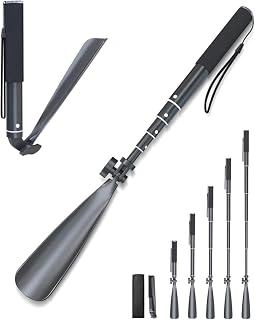
Taneltik 15-39" Telescopic Aluminum Alloy Folding Shoe Horn with Long Handle
The Taneltik telescopic shoehorn adjusts from the listed size, letting you dial in the reach that feels right for sitting, standing, or tight spaces. The aluminum alloy construction keeps weight low - under half a pound - while the collapsible design folds down to purse or suitcase size, making it a practical choice for travel or shared households where storage is limited.
At full extension, the 39-inch reach matches the longest fixed-handle options without the bulk. You twist and lock each segment to set your preferred length, then fold it flat when you're done. That flexibility is helpful if you sometimes dress from a chair and other times stand at a closet, but the telescoping mechanism does add moving parts. Over months of daily use, joints can loosen, and you may need to tighten them occasionally to maintain a firm lock.
The aluminum surface is smooth enough to guide your heel without snagging, and the 4.6 out of 5 rating reflects consistent feedback about the adjustable range and portability. At $17.99, the price sits in the middle of the category - higher than basic fixed plastic, lower than premium wood or stainless designs.
If you value a shoehorn that travels easily or adapts to different seating heights, the collapsible design delivers real convenience. If you prefer a tool that stays in one spot and never needs adjustment, a fixed-length model will feel simpler and eliminate the maintenance step. The tradeoff is portability and adjustability against long-term joint durability.
- ✅ Adjustable 15 - 39" reach adapts to sitting, standing, or tight spaces
- ✅ Folds flat for travel and compact storage
- ✅ Lightweight aluminum alloy construction
- ⚠️ Telescoping joints may loosen with repeated daily use
- ⚠️ Requires occasional tightening to maintain firm lock
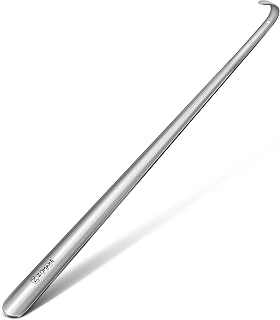
ZOMAKE 31.5'' Extra Long Stainless Steel Shoe Horn with Long Handle
When durability outweighs portability, the ZOMAKE 31.5'' stainless steel shoehorn offers a fixed-length design built to last. Its one-piece construction reduces the risk of wobble or joint failure common in telescoping models, and the 31.5-inch reach suits users with limited hip or spine mobility who need consistent support.
Stainless steel resists bending under pressure better than aluminum or plastic alternatives, making this a practical choice for daily use at home. The smooth, polished surface allows shoes to slide on without catching, and the material wipes clean easily. At $31.99, it sits at the higher end of the long-handled shoehorn market, but the absence of moving parts translates to fewer long-term replacements.
The tradeoff is clear: you gain reliability and material strength but sacrifice packability. The 31.5-inch length cannot fold or collapse, so storage requires a closet hook, umbrella stand, or vertical space near the entryway. If you plan to keep the shoehorn in one location rather than move it between rooms or travel with it, the fixed design becomes an advantage rather than a limitation.
Customer feedback supports the build quality, with a 4.5 out of 5 rating reflecting confidence in the stainless steel construction. Users with arthritis or recent joint surgery appreciate the stable leverage the rigid handle provides, though some note the heavier weight compared to lighter-gauge models.
This shoehorn fits households where the tool stays in a dedicated spot and where the person using it values consistent performance over convenience features. Compare the material cost against mid-range aluminum options to decide whether the extra investment aligns with your frequency of use and storage setup.
- ✅ One-piece stainless steel construction eliminates joint failure
- ✅ 31.5-inch reach for limited mobility
- ✅ Durable material resists bending and wear
- ✅ Smooth surface allows easy shoe entry
- ⚠️ Higher price at $31.99
- ⚠️ Non-collapsible design requires dedicated storage space
- ⚠️ Heavier than aluminum or plastic alternatives
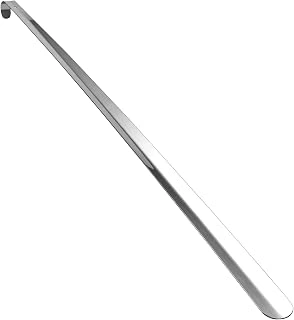
Fanwer 31.5" Extra Long Metal Shoe Horn with Long Handle
The Fanwer 31.5" shoehorn targets users who want a solid, no-compromise reach without paying for premium materials or extra features. At $22.49 and rated 4.7 out of 5, this metal option sits between the budget ZOMAKE and the stainless-steel Phantawell, offering full extension in a single fixed piece.
The 31.5-inch length handles deep chairs, wheelchairs, and limited hip flexibility without requiring the user to lean forward. Metal construction resists flexing under moderate pressure, which matters when guiding a foot into a stiff leather shoe or when a caregiver assists someone with reduced motor control. Unlike collapsible designs, there are no joints to loosen or segments to align before each use.
This shoehorn lacks the telescoping convenience of the ZOMAKE and the corrosion resistance of stainless steel found in the Phantawell. It occupies more storage space and weighs more than folding alternatives, making it less practical for a travel bag or small entryway. The grip design and hook functionality depend on the specific finish and handle shape, which vary across metal shoehorns in this price range.
Choose the Fanwer if you dress in one location, value straightforward durability, and want to avoid the slight wobble that telescoping mechanisms can introduce over time. If portability or rust resistance in humid environments is a priority, compare the construction details and user feedback directly against the ZOMAKE and Phantawell models before deciding.
- ✅ 31.5-inch reach accommodates deep seating and limited flexibility
- ✅ Metal construction resists bending during use
- ✅ Mid-range price at $22.49 balances cost and durability
- ✅ Fixed one-piece design eliminates loose joints
- ⚠️ No telescoping feature reduces portability
- ⚠️ Heavier and bulkier than collapsible options
- ⚠️ Metal finish may not match stainless-steel corrosion resistance
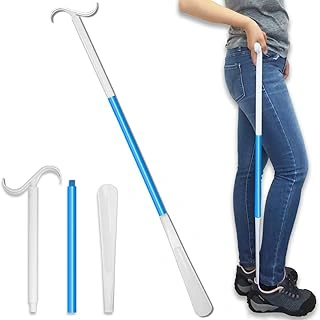
Phantawell 35.5 Inch Long Handled Dressing Aid with Shoe Horn & Sock Remover
The Phantawell 35.5 Inch Long Handled Dressing Aid combines a shoehorn and sock remover in one budget-friendly tool. At the listed size, it offers the longest reach in this lineup, making it useful for anyone who needs extra distance to avoid bending or twisting. The dual-function design means you can slip on shoes with the curved horn end and hook off socks with the notched opposite end, reducing the number of tools to keep track of near the bed or chair.
This model carries a 4.5 out of 5 rating and costs $9.79, positioning it as an accessible starter option or a backup tool for a second room. The extended length works well in a bedroom or entryway where space allows, and the multi-use format suits users who want versatility without investing in separate aids.
The tradeoff centers on construction. The price reflects lighter-duty materials, so this tool may not hold up as long under daily use compared to heavier stainless or reinforced handles. If you need a durable, long-term solution for frequent dressing routines, a single-purpose metal shoehorn may serve better. But if you're looking for an affordable way to try a long-handled aid or want a secondary tool that covers both shoes and socks in one grab, the Phantawell delivers practical reach and function at a low entry cost.
- ✅ 35.5-inch length provides the longest reach in this comparison
- ✅ Dual-function design combines shoehorn and sock remover in one tool
- ✅ Priced at $9.79, making it the most budget-friendly option
- ✅ 4.5 out of 5 rating reflects solid user satisfaction
- ⚠️ Lighter-duty construction may not withstand heavy daily use over time
- ⚠️ Longer length requires more storage space than compact models