We may earn a commission when you buy through links on this page, at no extra cost to you. How this works.
When Sandra's mother fell in her kitchen at 2 a.m., the difference between monitored and unmonitored fall detection became painfully clear. Sandra lives 40 minutes away. Her mother wore a device that sent an alert to Sandra's phone, but Sandra was asleep. By the time she woke, checked her phone, called her mother, got no answer, and drove over, three hours had passed.
Both monitored and unmonitored fall detection systems use the same core technology - accelerometers and algorithms that recognize the sudden movement pattern of a fall. The split happens immediately after detection. A monitored system connects the wearer to a professional call center staffed around the clock. An unmonitored system sends a notification to family members or caregivers through a smartphone app or text message.
This is not a question of which technology is better at detecting falls. It's a question of who responds when the device works exactly as designed. Monitored systems put a trained operator on the line within seconds, ready to assess the situation, speak with your parent if possible, and dispatch emergency services if needed. Unmonitored systems rely entirely on family members being available, awake, and close enough to help.
The choice depends on how quickly your parent might need emergency help, how reliably family members can respond day and night, and whether your parent is comfortable with a monitoring company having access during a vulnerable moment. Cost, privacy, and response time all shift depending on which path you take, and understanding these tradeoffs before a fall happens makes the decision easier when it matters most.
Fit and safety come first
Use the comparison as a shortlist, but keep fit, comfort, and any health or safety constraints ahead of price.
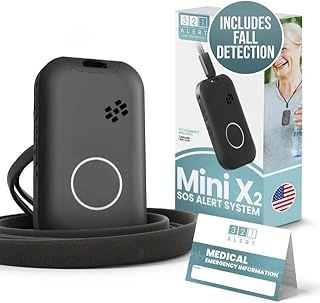
Medical Alert System with Fall Detection, GPS 4G LTE Cellular SOS Alert
This medical alert pendant uses 4G LTE cellular connectivity to connect directly to monitoring services without requiring a landline or Wi-Fi, which removes a common barrier for parents who have dropped home phone service or live in areas with unreliable internet. The device includes automatic fall detection and GPS location tracking, so if your parent falls outdoors - during a walk or in the driveway - the monitoring center can share precise coordinates with emergency responders rather than relying on verbal descriptions.
The $59.99 device cost covers the hardware, but ongoing monitoring service requires a separate monthly subscription. Before purchasing, visit the product page to compare the subscription tiers available and confirm the monitoring center's hours, response protocols, and any activation fees. Pricing structures vary widely across alert service providers, and understanding the total monthly cost is essential for budgeting.
With a 4.6-star rating, users report the pendant is light enough for all-day wear and the SOS button is large and easy to press in a panic. GPS accuracy depends on cellular signal strength, so this system works best for parents who spend time outdoors in areas with reliable LTE coverage. Indoor fall detection remains functional, but GPS precision may diminish inside buildings with thick walls or basements.
This device fits Sandra's priorities if her mother values professional monitoring and the reassurance that trained staff will contact emergency services immediately after a fall. The tradeoff is recurring subscription cost and the need to keep the device charged regularly. If your parent resists monthly fees or prefers to control who gets notified, an unmonitored system with direct family alerts may align better with their independence and budget.
- ✅ 4G LTE cellular connection works without landline or Wi-Fi
- ✅ GPS tracking provides precise outdoor location for EMS dispatch
- ✅ Lightweight pendant suitable for all-day wear
- ✅ Large SOS button easy to press in emergencies
- ⚠️ Requires separate monthly monitoring subscription (cost varies by provider)
- ⚠️ GPS accuracy may decrease indoors or in areas with weak cellular signal
- ⚠️ Device must be charged regularly to maintain function
What Fall Detection Technology Actually Does
Fall detection devices rely on accelerometers and gyroscopes - the same sensors found in smartphones - to measure sudden changes in motion and body position. When you fall, your body typically moves in a distinct pattern: rapid downward acceleration followed by a hard impact and then little to no movement. The sensors in a pendant or wristband track these three phases and, if they match the signature of a fall, trigger an automatic alert without requiring you to press a button.
This automatic feature matters because many falls leave older adults unable to reach the manual help button. A hard fall might leave someone disoriented, injured, or face-down on the floor. Detection technology bridges that gap by recognizing the event and initiating contact on its own.
Not every sudden movement registers as a fall, though. Dropping into a chair, bending quickly to pick something up, or tripping without hitting the ground can sometimes fool the sensors. Modern algorithms have reduced false positives, but no system catches every fall or avoids every false alarm. Manufacturers typically report detection rates between 80 and 95 percent under controlled conditions, meaning some falls still go undetected and some normal activities still trigger alerts.
The manual button remains important. If the automatic sensor misses a fall or if your parent needs help for chest pain, dizziness, or another emergency that doesn't involve falling, pressing the button ensures an alert goes out. Both monitored and unmonitored systems share this same core detection technology and the same imperfect accuracy, so the real difference lies in what happens after the device registers a fall - not in how well it detects one in the first place.
How Unmonitored Fall Detection Works
Unmonitored fall detection systems operate independently, without connection to a professional call center. When the device registers a fall - either through automatic sensors or a manual button press - it immediately sends an alert to a list of pre-programmed contacts, typically family members or neighbors. These alerts arrive as text messages, phone calls, or push notifications through a mobile app, depending on the system. If the device includes GPS capability, contacts receive the wearer's location along with the alert, making it easier to reach them quickly.
The appeal is straightforward: no monthly monitoring fees, direct communication with people who know the user well, and complete privacy since no third party listens in or stores personal information. Family members stay informed in real time, and the user avoids recurring subscription costs that can add up over years of use.
However, unmonitored systems place the entire response decision on family contacts. If a notification arrives during a meeting, at night, or while driving, the delay can be significant. Alert fatigue becomes a real issue when devices trigger false alarms from sudden movements or accidental bumps, and contacts may begin dismissing notifications or silencing alerts. No trained responder evaluates the situation, verifies the emergency, or coordinates with paramedics. Family members must assess severity remotely, decide whether to call 911, and often travel to the location themselves, all while managing their own stress and uncertainty. For families spread across different time zones or with demanding work schedules, this responsibility can feel overwhelming and unreliable when seconds matter most.
How Monitored Fall Detection Works
When a monitored fall detection device registers a fall, it immediately opens a two-way voice connection to a 24/7 monitoring center staffed by trained operators. The operator speaks directly through the device - usually a pendant or wristband with built-in microphone and speaker - and asks whether help is needed. If the wearer confirms an emergency, cannot respond, or the operator hears this product sounds that suggest distress, the center dispatches emergency medical services and notifies family members or designated contacts afterward.
This sequence happens without the wearer needing to press a button or dial a phone. Professional triage begins within seconds, and EMS receives location details and relevant medical history that the monitoring center keeps on file. The system works even if your parent has lost consciousness, cannot reach a phone, or is too disoriented to remember emergency numbers.
Monitored systems excel in situations where rapid professional assessment matters most. Because operators are trained to evaluate tone of voice, this product noise, and response clarity, they can escalate to emergency services faster than family members who may second-guess the severity or live hours away. The monitoring center serves as a reliable bridge between the fall event and professional help, removing the burden of split-second decision-making from both the wearer and distant relatives.
The trade-offs center on cost and privacy. Monthly monitoring fees typically range from $25 to $50, adding up to $300 to $600 per year on top of the device purchase price. Each fall alert introduces a third party into what may feel like a private moment, and some older adults resist the idea of strangers listening in during a vulnerable time. Additionally, these systems require either a cellular plan built into the device or a landline connection at home, which can complicate setup if your parent has switched entirely to mobile phones or lives in an area with weak cellular coverage.
Monitored fall detection delivers the fastest path from fall to professional help, especially when the person who fell cannot communicate clearly or lives alone for extended periods.
Side-by-Side: Cost, Response, and Privacy
When choosing between monitored and unmonitored fall detection, three factors typically drive the decision: cost, how quickly help arrives, and who has access to the alert. Breaking down these differences side by side makes it easier to see which system fits your parent's needs and your family's situation.
Upfront cost:Unmonitored devices typically range from $30 to $200 for the hardware alone. Monitored systems often bundle the device with service, but when purchased outright, units cost between $100 and $300. Some monitored providers waive or reduce equipment fees if you commit to a longer-term contract.
Ongoing cost:Monitored fall detection requires a monthly subscription, generally between $25 and $50, depending on features like GPS tracking or caregiver apps. Unmonitored systems have no recurring fees once you own the device, which can save $300 to $600 per year.
Response speed:Monitored systems connect to a call center within seconds of a detected fall. An operator assesses the situation and dispatches emergency services or contacts family, typically within two to five minutes. Unmonitored devices send alerts to pre-programmed phone numbers, so response time depends entirely on whether someone sees the notification and can act quickly - often five to fifteen minutes or longer if family members are at work or asleep.
Who responds:With monitored service, a trained operator evaluates the alert, listens through two-way audio if available, and coordinates help. Unmonitored systems rely on family members to interpret the alert, call back, and decide whether to contact emergency services themselves.
Privacy considerations:Monitored systems share alert data and sometimes location information with a third-party call center, which some seniors find intrusive. Unmonitored devices keep alerts within the family circle, offering more privacy but also more responsibility for the people receiving those notifications.
Best-fit scenarios:Monitored systems work well when your parent lives alone, has limited nearby family, or experiences frequent falls that require fast professional intervention. Unmonitored options suit situations where adult children or neighbors live close by, check in regularly, and can respond within minutes, or when budget constraints make monthly fees unsustainable over the long term.
Understanding these trade-offs helps you match the system to your parent's daily routine, your family's availability, and the level of risk you're comfortable managing on your own.
When Unmonitored Makes Sense (and When It Doesn't)
Unmonitored fall detection fits best when family members live nearby - typically within five to ten minutes - and maintain daily check-ins through phone calls or visits. If you or a sibling can reliably answer a call within minutes and reach your parent's home quickly, an unmonitored system provides a cost-effective safety layer without ongoing subscription fees. This setup also works well for seniors who are still relatively mobile, have lower fall risk, and feel uncomfortable with the idea of strangers responding to their emergencies.
The system falls short when family members work unpredictable hours, travel frequently for work, or live more than twenty minutes away. Response time stretches dangerously long if you're stuck in a meeting, on a plane, or asleep when the alert comes through. Unmonitored systems also create risk for parents with serious health conditions - such as heart disease, diabetes, or osteoporosis - where a fall may signal a medical emergency requiring professional assessment, not just help getting up.
Privacy-conscious seniors sometimes choose unmonitored devices to avoid third-party involvement, but this trade-off only makes sense if the family network can truly function as a reliable first responder. A parent living alone overnight, with family members who sleep through phone alerts or who all work the same daytime hours, faces coverage gaps that an unmonitored system cannot fill. The decision isn't about which system offers superior technology; it's about whether your family's real-world availability and medical expertise match the level of risk your parent faces every day.
When Monitored Service Is Worth the Monthly Cost
Monthly monitoring fees make sense when the risk of delayed help outweighs the budget impact. If your parent lives alone with no neighbor or family member checking in daily, a monitored system ensures someone will always respond when a fall happens. The difference between a 30-minute wait for a relative to notice a missed call and immediate dispatch can prevent complications like pressure sores, dehydration, or worsening injuries.
A history of serious falls or chronic conditions such as heart disease, diabetes, or seizure disorders shifts the equation toward monitored service. In these cases, faster EMS arrival isn't just convenient - it can be medically necessary. Monitoring centers are trained to assess the situation quickly and coordinate the right level of response, whether that means dispatching an ambulance or contacting a family member first.
Families with demanding work schedules or frequent travel face a practical reality: you can't always answer your phone or be home within minutes. Monitored service acts as a reliable backup, covering the gaps when you're in meetings, on flights, or simply asleep. The service doesn't replace your involvement, but it removes the pressure of being the sole safety net.
If your parent spends time outdoors - walking the dog, gardening, or running errands - GPS-enabled monitored devices become essential. Unmonitored systems can't tell responders where to go if the fall happens away from home. Monitored services with mobile GPS tracking ensure help reaches the right location, even if your parent is disoriented or unable to communicate clearly.
The recurring cost feels easier to justify when framed as insurance against the worst-case scenario. A monthly monitoring fee typically ranges from $25 to $50, roughly the cost of a few restaurant meals. Compared to the potential cost of a delayed response - extended hospital stays, rehabilitation, or loss of independence - the expense becomes a manageable trade-off. For many families, the peace of mind alone justifies the subscription, especially when distance or work commitments make constant vigilance impossible.
What About Smartwatches and Fitness Trackers?
Smartwatches like the Apple Watch and Samsung Galaxy Watch now include fall detection, which raises an important question: can they replace a dedicated fall detection system? These devices function as unmonitored systems - they can alert emergency contacts or dial 911 directly, but no professional monitoring center responds. When a fall is detected, the watch uses its own cellular connection or a paired smartphone to place the call.
Battery life is the first practical limitation. Most smartwatches require daily charging, and seniors who forget to charge overnight may be without protection. Dedicated medical alert pendants typically last five to seven days between charges, and some base stations have multi-day battery backup.
The tech learning curve matters more than many families expect. Navigating touchscreens, managing Bluetooth pairing, and troubleshooting connectivity issues can frustrate seniors who aren't already comfortable with smartphones. If your parent struggles with their phone, adding a smartwatch introduces another device to manage.
Water resistance varies widely, and not all models are safe for shower wear - the most common location for senior falls. Even watches rated for swimming may have fall detection disabled in water mode, leaving a gap in coverage during vulnerable moments.
Smartwatches work well for tech-comfortable seniors who already own a compatible smartphone and want a multi-purpose device. They're a reasonable unmonitored option for active older adults at lower fall risk. For seniors with mobility challenges, cognitive decline, or a history of falls, a dedicated medical alert system with professional monitoring provides more reliable protection and simpler operation.
Making the Decision: A Practical Framework
Choosing between monitored and unmonitored fall detection starts with four straightforward questions that reveal which system fits your parent's situation.
First, ask about proximity: does a family member, friend, or neighbor live within fifteen minutes of your parent? If yes, an unmonitored system that alerts nearby contacts can work well, provided those contacts are consistently available. If no one lives close enough to reach your parent quickly after a fall, monitored professional response becomes more important.
Next, consider availability around the clock. Can the people receiving alerts respond at two in the morning, during work hours, and on weekends without fail? Unmonitored systems depend entirely on the availability of your alert contacts. If your family's schedules make reliable 24/7 response difficult, a monitored service with trained operators standing by every hour offers more consistent coverage.
Third, evaluate your parent's health risk level. Does your parent take blood thinners, have a history of serious falls, live with diabetes, or face other conditions that make a fall more dangerous? Higher-risk situations benefit from the faster professional response and direct emergency dispatch that monitored systems provide. For parents with fewer health complications and greater mobility, unmonitored detection may offer sufficient protection.
Finally, review the budget honestly. Monitored systems typically cost thirty to fifty dollars per month, while unmonitored devices require only the upfront purchase price and perhaps a small cellular fee. If the monthly expense strains your budget, an unmonitored system still delivers valuable fall detection without ongoing subscription costs.
Walk through these questions in order, and the right system type will become clear. If proximity is good and availability is high, unmonitored detection makes sense. If either proximity or availability falls short, or if health risks are significant, monitored service provides better safety coverage despite the higher cost.
Remember that your choice is not permanent. Many families start with an unmonitored device to address immediate fall detection needs, then upgrade to monitored service if their parent's health changes, family availability shifts, or a close call reveals the need for professional response. Hybrid approaches also exist: some systems allow you to add monitoring later without replacing the device, giving you flexibility as circumstances evolve.
Getting Your Parent On Board
Resistance to fall detection devices often has nothing to do with the technology itself. Your parent may see it as a visible marker of aging or a surrender of control. That perception can derail even the best-researched purchase decision, so addressing it early makes the entire selection process easier.
Frame the conversation around extension of independence, not loss. A fall detection system allows your parent to continue living alone, moving freely through the house, and avoiding constant check-in calls. It's a tool that keeps the front door open to independence, not one that closes it. When the device becomes a passport to continued autonomy rather than a symbol of decline, the emotional stakes shift.
Involve your parent in the choice between monitored and unmonitored systems. Letting her weigh the tradeoffs - privacy versus professional response, monthly cost versus one-time purchase, automatic alerts versus manual button presses - restores agency. The decision becomes hers, not something imposed by worried children. That sense of control often dissolves resistance faster than any logical argument about safety statistics.
Offer a trial period with a clear end date. Knowing the device isn't permanent makes the first month feel like an experiment rather than a life sentence. Many providers offer 30-day returns or month-to-month contracts. Use that window to prove the system is unobtrusive, and let your parent experience the confidence boost that comes from moving without fear.
Let her choose the form factor. Some parents will never wear a pendant because it looks medical, but they'll clip a discreet device to a belt or wear a watch-style sensor. The difference between acceptance and a device left in a drawer often comes down to aesthetics, not features. Prioritize what she'll actually wear over what has the longest feature list.
Acknowledge that this conversation may take multiple attempts. Resistance is normal, and one difficult discussion doesn't mean the topic is closed forever. Bring it up again after a friend's fall, a news story, or a moment when your parent expresses worry about being alone. Persistence, paired with respect, usually wins over time.
Emphasize that the device also protects your peace of mind. Many parents who reject help for themselves will accept it when framed as a gift to their children. Knowing you won't spend every day wondering if she's safe on the floor can be a compelling reason for her to try the system, even if she's skeptical about her own need.
Your Next Step
You now understand the core difference between monitored and unmonitored systems, the real-world tradeoffs in cost and response speed, and how privacy concerns shape your parent's willingness to wear a device. The next step is to move from research to decision.
Start by revisiting the checklist in Section 6. Score your parent's living situation, medical history, and daily routine against the criteria for monitoring level, then narrow your shortlist to two or three systems that fit. Look up current subscription fees, contract length, and any activation costs so you know the total first-year expense.
Check warranty terms and return windows before you buy. A thirty-day trial period gives you time to test wearability and false-alarm rates in your parent's actual home environment. Compare customer service availability - some vendors offer twenty-four-hour U.S.-based support, while others route calls overseas or limit hours.
Have the conversation with your parent this week. Walk through the checklist together, explain what happens after a fall is detected, and let them try on a demo unit if possible. Address privacy concerns by showing exactly who receives alerts and how data is stored.
Order the system you choose and set it up within the next seven days. Test the button, confirm the monitoring center responds as expected, and add emergency contacts to the account. A system sitting in the box offers zero protection - getting it on your parent's wrist or around their neck is what matters.
Acting now is better than waiting for another fall. Even an unmonitored device that calls your cell phone directly closes the gap between a fall and help, and a monitored service provides professional response when you cannot be nearby. Choose the option that matches your family's situation, then follow through with setup and a live test.
Questions to Ask Before You Choose
- Does your parent live alone or have a spouse/companion at home?
- How quickly can family members respond during work hours or overnight?
- Is your parent comfortable with a monitoring service having access during emergencies?
- What's your monthly budget for ongoing monitoring fees?
- Does your parent have reliable WiFi or cellular coverage at home?
- Has your parent fallen before, and how long did they wait for help?