We may earn a commission when you buy through links on this page, at no extra cost to you. How this works.
Falls in the bathroom send thousands of older adults to the emergency room every year, and the wet, smooth surface of a bathtub remains one of the most dangerous spots in any home. When Sandra began helping her mother age in place, she faced a straightforward question: should she buy a rubber-backed mat that sits inside the tub, or install textured adhesive stickers that bond directly to the tub floor?
Both options promise traction on wet porcelain or acrylic, but they differ sharply in how they're installed, how much upkeep they require, and how well they stay put when water runs under them. Rubber-backed mats lift out for washing and can be swapped or moved between bathrooms. Textured safety stickers stay fixed in place, resist mildew buildup between the texture ridges, and don't shift or curl at the edges.
This comparison walks through installation permanence, cleaning routines, real-world slip resistance, and the tradeoffs each solution asks you to accept. Sandra's mother values her independence and dislikes visible reminders of frailty, so appearance and ease of use matter as much as traction. Understanding which surface works best in your situation means weighing how often you're willing to lift and dry a mat against whether you're comfortable drilling or adhering something semi-permanent to the tub.
The right choice depends on the bather's mobility, the tub's material, and who will handle the ongoing maintenance.
Quick comparison
| SlipX Solutions Power Grip Bathtub Safety Mat | See price and reviews |
| Non-Slip Rubber Bathtub Mat with Suction Cups | Check fit details |
Fit and safety come first
Use the comparison as a shortlist, but keep fit, comfort, and any health or safety constraints ahead of price.
How Each Solution Works: Surface Contact and Grip Mechanics
Rubber-backed bathroom rugs and textured safety stickers create traction through fundamentally different mechanics. A rubber mat relies on suction cups molded into its underside, which press against the tub floor when weight is applied. The mat's own mass, combined with suction force from displaced air beneath each cup, holds it in position. When water flows over the top surface, the rubber texture - often raised dots, ridges, or waffle patterns - channels liquid away while maintaining contact with wet feet. As long as the suction cups remain sealed and the mat stays flat, friction between skin and rubber prevents sliding.
Textured safety stickers bond directly to the tub surface using permanent or semi-permanent adhesive backing. Once applied, the sticker becomes part of the tub floor rather than a separate layer. The textured top surface, typically made from abrasive vinyl, silicone, or mineral grit, creates traction by increasing surface roughness. Water flows around and through the texture without pooling, so feet grip the raised pattern even when wet. Because stickers are thin and fixed in place, they don't shift, bunch, or lift at the edges the way mats can if suction weakens.
The key difference lies in attachment method and coverage. Rubber mats depend on continuous suction across dozens of small contact points, which means any debris, soap film, or warping reduces grip. Stickers form a chemical bond at installation and maintain position through adhesive strength alone, unaffected by surface moisture during use. Mats cover a broad area and can be repositioned or removed for cleaning; stickers are permanent features applied only where feet typically land, leaving most of the tub surface unchanged.
Installation and Removal: Effort, Tools, and Reversibility
Setup differs dramatically between these two solutions. Textured safety stickers require a clean, completely dry tub surface before application - any soap residue, body oils, or moisture will prevent proper adhesion. You'll need rubbing alcohol or a degreaser, a lint-free cloth, and patience to position each sticker precisely, because once pressed down, most adhesives bond permanently within minutes. If you place a sticker off-center or at an awkward angle, removal often damages the tub finish or leaves sticky residue that requires acetone and elbow grease to remove.
Rubber-backed bathroom mats and suction-cup mats drop into place immediately with no surface prep beyond a quick rinse. Suction models grip best on smooth acrylic or fiberglass; textured tub bottoms reduce suction strength, and you may need to press each cup firmly after every few uses to maintain hold. Mats shift if suction fails or if the senior shuffles their feet during entry, which can create a tripping edge rather than a stable platform.
Deep-cleaning the tub becomes easier with a mat - lift it out, scrub underneath, and replace. Stickers stay in place during routine cleaning, but mold or mildew can grow around the edges if water pools beneath them, and you cannot remove them for thorough disinfection without starting the installation process over. For seniors who move between family homes seasonally or plan to transition to assisted living, a mat travels with them. Stickers remain fixed to the property, making them a one-time investment that benefits the next resident but offers no portability.
If your parent's tub has a slip-resistant factory texture or an unusual contour, test suction grip before relying on a mat alone. If the tub surface is older with etching or stains, stickers may not adhere evenly, leaving gaps where water can seep under and compromise the bond over time.
Maintenance Reality: Cleaning Schedules and Mildew Risk
Rubber-backed bathroom rugs demand weekly attention that can become a caregiver responsibility. The mat needs to be lifted after each bath or shower, hung to dry completely, and the tub surface wiped down to prevent moisture from collecting underneath. Mold and mildew grow quickly in the damp, dark space between rubber backing and porcelain, especially in poorly ventilated bathrooms. If Sandra's mother leaves the rug in place between uses, black spots and musty odors appear within two to three weeks. Machine washing every seven to ten days adds another step, and the rug takes hours to dry flat before it can go back on the tub floor.
Textured safety stickers stay bonded to the tub surface, so there is no lifting or drying routine. Soap scum and body oils settle into the textured grooves, which means scrubbing with a bathroom cleaner and a stiff brush once a week keeps the surface effective. Stickers do not trap standing water the way a mat does, so mildew risk drops. However, the adhesive edges can lift slightly over time if the tub is not dried after each use, allowing water to seep underneath and weaken the bond. Monthly inspection of the perimeter catches edge curl before it becomes a tripping hazard.
For seniors who bathe independently, stickers require less physical effort to maintain. Sandra's mother would need to scrub the textured patches during her regular tub cleaning, but she would not need to bend, lift, or carry a wet mat. If a caregiver already handles bathroom cleaning, the rug's laundry cycle adds to their workload but may be simpler than weekly scrubbing of multiple sticker surfaces. The key difference is whether the household prioritizes a quick daily wipe-down or accepts a recurring laundry and drying task.
Effectiveness Comparison: Slip Resistance When It Matters Most
Slip resistance under soapy water separates effective solutions from false security. Textured safety stickers rely on raised patterns to create grip even when wet, and because they adhere directly to the tub surface, they eliminate the movement that compromises many other options. Rubber-backed bathroom rugs depend on suction and weight to stay in place, but soap residue and uneven tub contours can reduce their hold, particularly when someone shifts weight or pivots while standing.
For seniors with balance issues or slow reflexes, the sticker's fixed position offers an advantage: there is no edge to catch a toe, no corner that can lift, and no risk of the entire mat sliding during use. Customer ratings for high-quality sticker sets frequently mention confidence during showers and ease of cleaning, both indicators that grip holds up over repeated wet cycles. Rugs with dense rubber backing and deeper pile score well when placed on flat, dry bathroom floors, but inside the tub they face constant water flow and soap, which can compromise suction over time.
Neither option eliminates fall risk on its own. Seniors who use walkers or have significant mobility limitations benefit most from stickers paired with grab bars, since the stickers provide underfoot traction without adding bulk or height differences. Rugs work better outside the tub, where they address the transition from wet to dry surfaces and cushion any misstep on tile. Real-world reliability comes down to proper installation: stickers must cure fully on a clean, dry surface, and rugs need regular repositioning and drying to maintain their grip.
Comfort and Aesthetics: What Your Parent Will Actually Use
The safest non-slip solution is the one your parent will actually use every day. Some seniors refuse to step on textured safety stickers because the bumps or ridges feel uncomfortable against bare feet, especially for those with sensitive skin or neuropathy. Others find rubber-backed mats awkward to step over or worry about tripping on the edge when entering the tub. If your parent dismisses the aid entirely, it provides no protection at all.
Visual appeal matters more than many families expect. Textured stickers are typically transparent or white, which blends into most tub surfaces but can look institutional once they start to show soap scum or mineral deposits. Rubber-backed mats come in a wider range of colors and patterns, so you can choose something that complements the bathroom rather than screaming "medical equipment." A mat that feels like a normal bathroom accessory is less likely to trigger resistance or feelings of lost independence.
Comfort underfoot varies by product and by person. Textured stickers with smaller, softer nubs are usually more tolerable than aggressive treads, but they may sacrifice some grip. Rubber-backed mats with suction cups can shift slightly during use, which some seniors find unsettling, while others appreciate the cushioning effect. Ask your parent to describe what feels secure and comfortable to them, rather than assuming one solution fits all.
If your parent is sensitive about visible safety modifications, consider placement and color carefully. A neutral-toned mat that covers only the standing zone may feel less obtrusive than a full-length option. Stickers placed in a subtle pattern rather than a grid can reduce the clinical look. The goal is a solution your parent accepts as part of their routine, not one they remove the moment you leave.
Our Recommendation for Most Situations
Rubber-backed bathroom rugs work best for renters, caregivers who clean frequently, or families testing a setup before committing to a permanent change. They install in seconds, move easily for thorough cleaning, and can be replaced without tools or residue. If your mother's bathroom needs regular deep cleaning or if you're uncertain about her long-term preferences, a quality mat offers flexibility without locking you into one solution.
Textured safety stickers make more sense when you need a permanent, low-maintenance installation or when the tub will be used with mobility aids such as transfer benches or grab bars. Stickers stay in place through daily showers, require minimal upkeep once applied, and create stable footing that won't shift under weight or repositioning. If your mother uses assistive equipment or if removing and replacing a mat feels impractical, adhesive stickers provide consistent coverage that doesn't require weekly attention.
The tradeoff is straightforward: mats give you easy removal and portability but demand regular cleaning and repositioning, while stickers offer set-it-and-forget-it stability but require careful installation and eventual replacement when adhesive weakens. Consider your mother's mobility aids, your own availability for maintenance, and whether you rent or own the home. If you need to move the non-slip surface frequently or plan to relocate, choose a mat. If you want a solution that stays put and supports equipment without shifting, adhesive stickers deliver better long-term performance.
Review the product links above to confirm current availability, check recent customer questions about adhesive strength or mat thickness, and verify that dimensions match your mother's tub. Both options address wet-surface slip risk; the right choice depends on installation permanence, cleaning routine, and whether mobility equipment will rest on the surface.
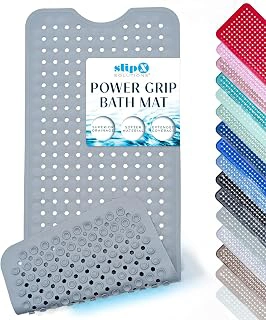
SlipX Solutions Power Grip Bathtub Safety Mat
The SlipX Solutions Power Grip Bathtub Safety Mat uses adhesive-backed textured treads that stick directly to your tub surface, removing the need for a full-coverage mat. Installation requires a clean, dry surface - wipe down the tub with rubbing alcohol, wait until completely dry, then peel and press each tread firmly into place. The adhesive bonds best to smooth fiberglass and acrylic tubs; textured or pebbled surfaces may reduce contact and weaken the hold over time.
Bond strength improves over the first multiple, so avoid heavy use immediately after application. Once set, the textured surface provides stable footing even when water flows across it. Repeated wet-dry cycles gradually soften the adhesive, especially in high-heat showers, so expect to replace the treads every multiple depending on frequency of use. The individual tread format works well for walkers or grab bar users who plant their feet in predictable spots - you can position treads exactly where weight transfers most often, rather than relying on a mat that might shift.
Removal leaves some adhesive residue that typically comes off with an adhesive remover or warm soapy water and light scrubbing. Renters should test a small area first to confirm the tub finish tolerates removal without damage. At $16.99 with a 4.5/5 rating, the SlipX system costs less upfront than many full mats and delivers targeted grip where seniors need it most, though it requires more frequent replacement and won't protect knees or elbows during entry and exit the way a padded mat does.
- ✅ Adhesive treads stay in place without shifting during use
- ✅ Individual placement targets high-traffic foot zones for walkers and grab bar users
- ✅ Lower upfront cost than many full-coverage mats
- ✅ Works on smooth fiberglass and acrylic tub surfaces
- ⚠️ Bond weakens on textured or pebbled tub finishes
- ⚠️ Requires replacement every 12 to 18 months as adhesive softens
- ⚠️ Leaves residue during removal that needs extra cleaning
- ⚠️ Provides no cushioning for knees or elbows during entry and exit
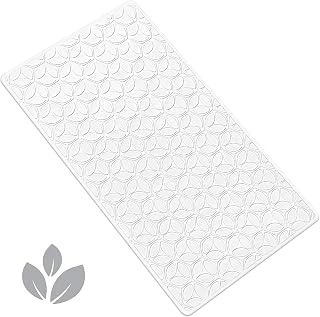
Non-Slip Rubber Bathtub Mat with Suction Cups
Rubber mats with suction cups anchor directly to the tub floor, providing a cushioned, slip-resistant surface across the entire standing area. The Non-Slip Rubber Bathtub Mat with Suction Cups uses multiple suction points to secure itself and is priced at $13.18, earning a 4.6/5 rating from buyers.
Suction cups rely on smooth tub surfaces to create a vacuum seal. On older or heavily textured tub floors, the cups may not grip evenly, and air can seep beneath the mat over time, especially if the rubber stiffens or collects soap residue. Seniors should press down firmly on each suction area after placing the mat to confirm attachment, and the mat should be lifted and dried regularly to prevent mildew from forming in the trapped moisture underneath.
The rubber surface offers more cushioning underfoot than adhesive stickers, which some users find more comfortable during longer showers or when standing is required for grooming. However, the mat must be removed for cleaning, and reattachment can be awkward for individuals with limited grip strength or difficulty bending. If left in place for weeks, biofilm and mineral deposits can build up on both the mat and the tub, requiring scrubbing.
Grip consistency when wet depends on the rubber compound and drainage design. Mats with raised patterns or drainage holes channel water away from the foot contact surface, reducing the thin film that causes slipping. Flat-backed mats without venting may trap water between the rubber and the tub, weakening suction and creating slick spots.
This mat works well for seniors who have the mobility to lift and reinstall it weekly, and whose tubs have smooth, non-porous floors. For textured or poorly maintained tub surfaces, adhesive stickers offer more reliable long-term grip without the maintenance cycle. The price advantage and comfort of a full-coverage mat make this a practical choice when the installation and cleaning routine fit the user's physical abilities.
- ✅ Full-coverage cushioned surface across the standing area
- ✅ Affordable at $13.18 with high buyer rating
- ✅ More comfortable underfoot than adhesive stickers
- ⚠️ Suction cups require smooth tub surfaces and firm pressure to seal
- ⚠️ Must be removed and dried regularly to prevent mildew buildup
- ⚠️ Reattachment can be difficult for users with limited grip or bending ability
Compatibility Checklist: Which Solution Fits Your Parent's Tub?
- Tub surface type: smooth porcelain, textured fiberglass, or acrylic
- Tub shape: flat floor vs. contoured bottom
- Shower-tub combo or standalone bathtub
- Current use of shower chair or transfer bench
- Frequency of tub use: daily showers vs. occasional baths
- Who cleans the bathroom and how often