We may earn a commission when you buy through links on this page, at no extra cost to you. How this works.
Bathroom falls remain one of the most common reasons older adults lose their independence, and the decision between a walk-in tub and a roll-in shower can directly affect daily safety and long-term ability to age in place. Both options address the threshold problem that makes standard tubs dangerous, but they solve it in fundamentally different ways - and the right choice depends on your specific mobility level, bathroom layout, and how you actually use the space each day.
A walk-in tub features a watertight door that opens inward or outward, allowing you to step over a low threshold instead of climbing over a tall tub wall. You sit inside, close the door, then fill the tub around you. A roll-in shower eliminates the threshold entirely, creating a flat or gently sloped entry that accommodates wheelchairs, walkers, and anyone who finds even a small step difficult.
The stakes are higher than convenience. Each option carries tradeoffs in installation cost, space requirements, wait time before and after use, resale value, and whether it actually matches your current and future mobility needs. A walk-in tub works well if you can stand independently for several minutes and want the option to bathe seated in warm water. A roll-in shower makes sense if you use a wheelchair, need caregiver assistance, or want the fastest, most flexible bathing routine.
This guide walks through the side-by-side comparison across six decision factors: mobility access, installation complexity and cost, space and layout fit, daily use and wait times, cleaning and maintenance, and long-term flexibility. The goal is to help you match the solution to your situation rather than defaulting to whichever option you heard about first.
What is a Walk-in Tub? Key Features, Pros, and Cons
A walk-in tub replaces a standard bathtub with a watertight door that opens inward or outward, allowing you to step over a threshold typically 3 to 7 inches high rather than climbing over a full-height tub wall. Once inside, you sit on a molded or contoured seat, close and lock the door, then fill the tub to chest level for a seated soak. Most models include grab bars, textured floors, and a handheld shower wand mounted within easy reach.
The main appeal is bathing while seated without transferring from a wheelchair or lifting your legs high. Many walk-in tubs offer optional whirlpool jets, air massage, or heated surfaces, though these features add cost. The tub experience feels familiar to people who prefer soaking over showering, and the enclosed design can reduce water splashing outside the bathing area.
The trade-off is time: you must sit inside the empty tub while it fills, then wait again for it to drain before you can open the door and exit. Fill and drain cycles typically take five to eight minutes each, depending on your home's water pressure and the tub's capacity. In colder bathrooms, that wait can be uncomfortable even with fast-fill faucets or inline heaters. Installation costs run higher than standard tubs because the unit itself is heavier, the door mechanism requires precise leveling, and plumbers often need to upgrade drain lines to speed drainage. Door seals demand regular inspection; a worn gasket can leak hundreds of gallons onto your floor.
Walk-in tubs work well when you value full-body soaking, have patience for fill and drain time, and can commit to maintaining the door seal. They are less practical if you need to bathe quickly, have limited hot-water capacity, or require a caregiver to assist from outside the tub during the entire bathing process.
What is a Roll-in Shower? Key Features, Pros, and Cons
A roll-in shower is a barrier-free or ultra-low threshold shower designed to let someone roll directly into the bathing area with a wheelchair or walk in without lifting their foot over a curb. Most roll-in showers use a zero-threshold entry - meaning the floor slopes gently to a linear drain - or a beveled threshold no higher than half an inch. The open floor plan typically provides at least 30 by 60 inches of clear space, though many installations offer 36 by 60 inches or larger to accommodate a wheelchair turn radius and caregiver assistance.
The primary advantage is immediate access. You step or roll in the moment you need to shower, with no door locking sequence and no wait for a tub to fill or drain. Caregivers can assist from multiple sides without leaning over a tub wall, which reduces physical strain during bathing routines. The open layout also makes it easier to install grab bars exactly where balance support is needed and to position a fold-down shower seat at the right height. Because there is no tub basin, cleaning becomes faster - most roll-in showers use a single-slope or curbless pan that rinses quickly.
Water containment is the most common trade-off. Without a door threshold or tub wall, water can migrate toward the bathroom door if the floor slope is shallow or if spray patterns are not carefully managed. Installing a slightly deeper floor pan, using a handheld showerhead on a slide bar, and adding a privacy curtain or frameless glass panel can all help, but they require thoughtful design during construction. Some homeowners also find that open showers feel less private or look too clinical if finishes are purely utilitarian. Choosing warmer tile, wood-look vinyl, or decorative grab bars can soften the institutional appearance while preserving full accessibility.
Roll-in showers work best when daily bathing rhythm matters more than soaking, when wheelchair access is current or anticipated, or when a caregiver needs to assist regularly. If you value quick entry, flexible layout, and easier cleaning over the option to take a seated bath, a roll-in shower delivers measurable daily convenience.
Head-to-Head Comparison: Mobility Needs and Accessibility
Choosing between a walk-in tub and a roll-in shower depends largely on current and anticipated mobility challenges. Walk-in tubs feature a watertight door that opens inward or outward, allowing entry over a low threshold - typically 3 to 7 inches - rather than climbing over a standard tub wall. Once inside, users sit on a built-in seat while the tub fills and drains. This design works well for people who can stand briefly during entry and exit but benefit from seated bathing and prefer a soaking experience. The door must remain closed while water is present, which means waiting inside until the tub drains completely.
Roll-in showers eliminate thresholds entirely or use a beveled entry no higher than half an inch, enabling wheelchair users to roll directly onto the shower floor without transfers. The open layout also accommodates walkers, caregivers, and anyone with severe balance limitations. Because there is no fill-and-drain cycle, users can enter and exit freely at any point during bathing. This flexibility becomes important when caregiver assistance is routine or when prolonged sitting in one position is uncomfortable.
Transfer requirements differ significantly. Walk-in tubs require standing balance long enough to step through the doorway and pivot onto the seat. Users with limited lower-body strength may find this maneuver challenging, especially when the tub floor is wet. Roll-in showers allow direct wheelchair access or use of a rolling shower chair, reducing the need for weight-bearing transfers. For individuals who rely on mobility devices throughout the day, the roll-in design preserves independence and reduces fall risk during the bathing routine.
Independence also hinges on fill time and caregiver schedules. Walk-in tubs take several minutes to fill and drain, which can feel restrictive if assistance is needed or if temperature regulation is difficult. Roll-in showers offer quicker in-and-out routines, making them easier to fit into caregiving schedules or when energy levels fluctuate. However, walk-in tubs provide therapeutic benefits - such as hydrotherapy jets or seated soaking - that some users value for comfort and relaxation, even with the longer bathing process.
When mobility is stable and the priority is a traditional bathing experience with added safety, walk-in tubs serve that need effectively. When mobility is declining, wheelchair use is daily, or caregiver access is essential, roll-in showers typically offer better long-term accessibility and day-to-day usability.
Comparing Costs, Installation, and Space Requirements
Understanding the financial and spatial commitment of each option helps you plan a bathroom modification that fits both your budget and your home's layout. Walk-in tubs typically cost between $2,000 and $10,000 for the unit itself, with installation adding another $2,500 to $7,000 depending on plumbing complexity and whether you're replacing an existing tub. Roll-in showers generally run $3,000 to $15,000 installed, with the wider range reflecting choices in barrier-free pan materials, tilework, and drainage systems.
Installation timelines differ significantly. A walk-in tub swap can often be completed in one to three days when replacing a standard tub in the same footprint, since the rough plumbing and drain location remain unchanged. Roll-in shower conversions usually take three to seven days because contractors must remove the existing tub or shower, lower the subfloor to create a zero-threshold entry, install new waterproofing and drainage slope, and tile the larger area. Structural changes such as reinforcing joists or rerouting pipes add time and cost to either project.
Space needs favor walk-in tubs in smaller bathrooms. Most walk-in tubs measure 28 to 32 inches wide and 48 to 60 inches long, matching standard alcove tub dimensions and fitting neatly between three walls. You do need to plan door-swing clearance inside the bathroom - at least 21 to 24 inches - so the user can stand while the door opens inward or outward. Roll-in showers demand more floor area to function safely. A true roll-in design requires a minimum interior dimension of 30 by 60 inches with no curb, and many occupational therapists recommend 36 by 60 inches or larger to allow a caregiver to assist comfortably. The zero-threshold entry also means you must slope the entire shower floor toward the drain at roughly one-quarter inch per foot, which can be tricky in homes with shallow joist depths or concrete slab foundations.
Plumbing modifications vary by project. Walk-in tubs often use the existing drain and water supply lines, though you may need to add a dedicated circuit for inline heaters or air-jet systems. Roll-in showers frequently require relocating the drain to the center or rear of the pan to achieve proper slope, and you may need a linear drain channel along one edge if the floor pitch is shallow. Permit requirements depend on local codes, but most jurisdictions treat either installation as a bathroom remodel requiring inspections for plumbing, electrical, and waterproofing work. Getting multiple contractor bids and confirming permit fees up front keeps your project on budget and on schedule.
Safety Features and Daily Use: Which is More Practical?
Day-to-day practicality often matters more than features on paper. Roll-in showers allow entry and exit in seconds, while walk-in tubs require sitting inside as the basin fills - typically three to eight minutes - and waiting again for the water to drain before opening the door. For users who shower daily or multiple times per day, that wait time adds up and can become a source of frustration or fatigue.
Entry and exit patterns differ significantly. Roll-in showers permit side transfers from a wheelchair or walker onto a built-in or portable shower bench, and caregivers can assist from multiple angles without climbing over a threshold. Walk-in tubs require stepping over a low threshold (usually four to seven inches), then sitting and standing inside a confined space. Users with limited balance or lower-body strength may find the seated entry easier than a standing transfer, but the enclosed design leaves less room for a caregiver to provide hands-on support during the process.
Both options benefit from the same core safety add-ons. Grab bars installed at transfer points and along walls provide stability during movement. Non-slip floor surfaces - textured acrylic, slip-resistant tile, or rubberized mats - reduce fall risk when wet. Handheld showerheads let users rinse while seated, and thermostatic mixing valves prevent sudden temperature spikes. Fold-down shower seats in roll-in designs and built-in seating in walk-in tubs eliminate the need to stand for the entire bathing routine.
Cleaning and maintenance routines also shape long-term satisfaction. Roll-in showers with curbless entries and open layouts dry faster and allow easier access for scrubbing grout, walls, and drains. Walk-in tubs have door seals, hinges, and jet nozzles (if whirlpool-equipped) that require regular attention to prevent mold, mineral buildup, and seal degradation. A tub that leaks at the door or develops drainage issues becomes a safety liability.
Morning routines reveal the sharpest contrasts. A user who needs a quick rinse before breakfast will find a roll-in shower more compatible with that schedule. Someone who values a long soak and has the patience to wait for fill and drain cycles may prefer the tub experience. Bathing frequency, energy levels throughout the day, and whether a caregiver is present during the routine all influence which design fits better into real life.
Choosing Confidence and Peace of Mind
Selecting the right bathing solution goes beyond fixtures and fittings. This decision directly affects daily independence, confidence moving through the bathroom, and long-term safety as mobility changes over time.
Both walk-in tubs and roll-in showers can reduce fall risk when properly matched to your mobility profile and bathroom layout. A walk-in tub works well for someone who can step over a low threshold, values seated bathing, and has space for the footprint and door swing. A roll-in shower suits users with wheeled mobility aids, those who need caregiver assistance, or anyone prioritizing barrier-free access and faster entry and exit.
If you're uncertain which option aligns with your needs, an occupational therapist can evaluate transfer ability, balance, and daily routines to recommend the safest fit. A licensed contractor experienced in accessible remodeling can assess your bathroom dimensions, plumbing constraints, and structural requirements, then provide realistic cost and timeline estimates for each solution.
Review your responses to the access, space, and daily-use questions from earlier checklists side by side. Schedule consultations for both a walk-in tub installation and a roll-in shower conversion so you can compare quotes, see layout drawings, and ask specific questions about grab-bar placement, drainage, and long-term maintenance.
Thoughtful planning now creates a bathroom that supports autonomy for years to come. The right choice is the one that matches how you move today and accommodates how your needs may evolve, giving you the safety and peace of mind to age in place with confidence.
Making the Decision: A Checklist for Your Parent's Needs
- Current mobility level: Can your parent stand briefly and step over a low threshold, or do they rely on a wheelchair or walker for all movement?
- Bathing preferences: Does your parent prefer soaking baths, or do they prioritize quick, efficient showers?
- Caregiver involvement: Will someone need to assist regularly? Roll-in showers offer easier caregiver access from multiple sides.
- Bathroom dimensions: Measure existing space. Walk-in tubs fit standard tub footprints; roll-in showers often require more floor area.
- Budget: Walk-in tubs typically cost more upfront. Roll-in showers vary widely based on size and finish choices.
- Wait time tolerance: Can your parent comfortably wait 5-10 minutes for a walk-in tub to fill and drain before entering or exiting?
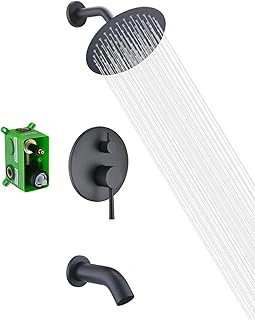
SUMERAIN Matte Black Tub and Shower Faucet Set with Waterfall Spout
Accessible bathroom remodels require fixtures that combine easy operation with clear visual cues. The SUMERAIN Matte Black Tub and Shower Faucet Set offers a waterfall spout design and high-contrast finish at $164.00, making it a budget-conscious option when upgrading either a walk-in tub or roll-in shower installation.
The matte black finish provides visual contrast against white or light-colored surroundings, which helps users with low vision distinguish controls and water flow more easily. The waterfall spout delivers a wide, gentle stream that fills tubs faster than standard spouts and creates a predictable water pattern in shower applications. Straightforward single-handle operation reduces the dexterity needed compared to separate hot and cold knobs.
With a 4.5 out of 5 rating, this faucet set fits standard three-hole configurations common in accessible bathroom designs. The modern aesthetic works in both traditional and contemporary remodels without drawing attention away from safety features like grab bars or bench seating. Installation follows conventional plumbing methods, so contractors familiar with walk-in tubs or roll-in showers can mount it without specialized training.
This fixture serves as a practical upgrade component during bathroom conversion, not a mobility solution on its own. Before purchasing, verify that handle reach and operation align with the user's grip strength and range of motion when seated or standing in the planned layout.
- ✅ Matte black finish provides visual contrast for users with low vision
- ✅ Waterfall spout creates wide, predictable water flow
- ✅ Single-handle design simplifies temperature control
- ✅ Standard three-hole installation fits most accessible layouts
- ⚠️ Single-handle position may require testing for individual reach and dexterity
- ⚠️ Matte finish shows water spots more readily than polished chrome
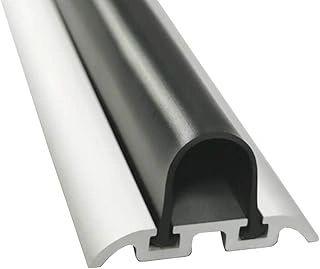
Gordon Glass® ADA-Friendly Wheelchair Accessible Shower Threshold, 60-in Length – Heavy-Duty Aluminum with Neoprene Seal – Made in USA – Cut-to-Fit for Roll-In Showers
Roll-in showers need effective water containment that doesn't create a barrier for wheelchairs or walkers. The Gordon Glass® ADA-Friendly Wheelchair Accessible Shower Threshold offers a low-profile aluminum barrier designed to hold water inside the shower area while remaining accessible for mobility devices. At the listed size in length, this threshold accommodates most standard shower openings and can be cut to fit custom bathroom dimensions.
The heavy-duty aluminum construction provides durability for daily wheelchair traffic, while the integrated neoprene seal works to prevent water migration onto the bathroom floor. The ADA-friendly design keeps the profile low enough to meet accessibility standards, allowing wheelchairs and walkers to roll over without requiring a ramp or modification. Made in the USA, the threshold is manufactured to consistent quality specifications.
This component addresses one of the most common challenges in roll-in shower installations: keeping water contained without sacrificing ease of access. The cut-to-fit feature means you can adapt the 60-inch length to match your specific bathroom opening width, avoiding gaps that could let water escape. At $59.95 with a 5.0/5 rating, the threshold represents an accessible price point for a critical accessibility feature.
The aluminum material resists corrosion in wet environments better than steel alternatives, though the neoprene seal may require periodic inspection to maintain water-tight performance over time. For households where wheelchair or walker access is a daily need, this threshold balances water management with mobility requirements in a straightforward, functional design.
- ✅ ADA-friendly low profile allows wheelchair and walker access
- ✅ 60-inch length cuts to fit custom bathroom openings
- ✅ Heavy-duty aluminum construction handles daily mobility device traffic
- ✅ Neoprene seal provides water containment
- ✅ Made in USA with consistent manufacturing standards
- ✅ $59.95 accessible price point
- ⚠️ Neoprene seal may require periodic inspection and maintenance
- ⚠️ Requires cutting tools and measurement accuracy for custom fit