We may earn a commission when you buy through links on this page, at no extra cost to you. How this works.
Choosing a weighted blanket for a loved one with dementia means balancing the calming benefits of deep pressure with the practical realities of senior safety. Many caregivers notice increased restlessness and anxiety at night - sometimes called sundowning - and wonder whether the gentle, consistent pressure of a weighted blanket might help without introducing new risks.
The challenge is real: a blanket that feels soothing to one person can feel restrictive or too warm to another, especially when communication becomes difficult. You need to think about whether your mother can shift the blanket independently, whether she tends to overheat at night, and how her mobility or confusion levels might affect safe use.
This guide walks through three core decisions that shape a safe, effective choice. First, calculating the right weight based on body size and strength, not just a standard formula. Second, selecting fabrics and features that work with temperature sensitivity and ease of care. Third, understanding which safety precautions matter most when dementia affects awareness and movement. Each section includes practical examples and cautious guidance to help you make a decision that fits your specific situation, without overstating what a weighted blanket can or cannot do.
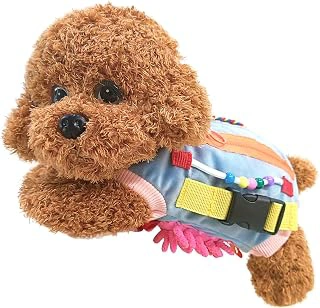
Fidget Blanket for Adults with Dementia
The Fidget Blanket for Adults with Dementia is a lap-size sensory blanket, not a full weighted blanket, designed to keep restless hands occupied during the day or early evening. At $38.99 with a 4.8/5 rating, it offers a different approach to calming nighttime anxiety: engagement rather than deep pressure.
This blanket features tactile elements like buttons, zippers, ribbons, and varied fabric textures that provide sensory stimulation for individuals who pick, fidget, or need something to touch. Because it does not deliver the firm pressure of a weighted blanket, it works best as a daytime companion or light evening tool, especially for patients who become agitated when their hands have nothing to do.
The compact lap format makes it easy to position on a chair, bed, or wheelchair without covering the entire body. Caregivers appreciate that it does not add heat or weight that might increase discomfort at night, though it also will not provide the proprioceptive input that helps some dementia patients settle into deeper sleep.
Consider this option if your loved one shows repetitive hand movements, pulls at clothing, or responds well to touch-based distraction. It pairs naturally with a traditional weighted blanket: use the fidget blanket during waking hours to reduce agitation, then transition to a weighted option at bedtime for calming pressure. If deep pressure is your primary goal for nighttime anxiety, the YnM Weighted Blanket or Luna Adult Weighted Blanket will be more effective.
The sensory elements are securely attached, reducing choking risk, but always supervise use if the individual tends to pull or chew on objects. Because it is lightweight and portable, you can move it from room to room or take it along to appointments.
- ✅ Lap-size format for easy positioning
- ✅ Multiple tactile elements keep restless hands engaged
- ✅ Lightweight and portable
- ✅ Affordable at $38.99
- ✅ Does not add heat or heavy weight
- ⚠️ Does not provide deep pressure for sleep
- ⚠️ Limited to daytime or light evening use
- ⚠️ May not calm patients who need proprioceptive input
Understanding How Weighted Blankets Can Soothe Anxiety in Dementia
Weighted blankets work by applying gentle, even pressure across the body, a principle often described as deep touch pressure stimulation. This distributed weight can create a calming sensation similar to a firm hug or reassuring touch, which may help some individuals feel more grounded and less restless at night.
For people with dementia, nighttime anxiety and agitation - sometimes called sundowning - can make settling down difficult. The steady pressure from a weighted blanket may offer a predictable, non-invasive source of comfort that supports relaxation without the need for verbal cues or active intervention from caregivers.
The mechanism is straightforward: consistent, moderate weight encourages the body to settle, potentially reducing fidgeting and the impulse to get up repeatedly. This sensory input does not address the underlying causes of dementia-related anxiety, but it can create an environment that feels safer and more contained, which some patients find soothing.
Response to weighted blankets varies widely from person to person. Some dementia patients respond positively within the first few nights, lying still longer and appearing calmer. Others may find the added weight unfamiliar or restrictive, especially if they are not accustomed to heavy bedding. Observing initial reactions closely is essential, and caregivers should be prepared to try shorter exposure periods or lighter weights if the blanket seems to increase confusion or discomfort.
It's also important to understand what weighted blankets cannot do. They are not a substitute for medical treatment, and they will not eliminate anxiety or prevent this product symptoms on their own. Think of them as one tool in a broader approach to nighttime comfort - a way to provide steady sensory input that may complement familiar routines, appropriate lighting, and a calm bedroom environment.
Realistic expectations matter: a weighted blanket may reduce the frequency of nighttime wake-ups or shorten the time it takes to settle, but individual differences in dementia progression, sensory preferences, and physical tolerance mean results will not be uniform. Use the blanket as part of a flexible nighttime strategy, adjusting weight, placement, and duration based on what the person with dementia actually experiences.
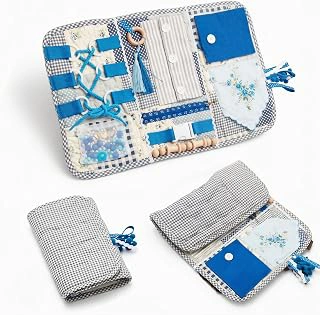
Blue Busy Fidget Blanket for Adults with Dementia
The Blue Busy other options offers another sensory-focused option for managing restlessness during evening hours. Priced at $37.97 with a 4.4-star rating, it sits in the same price range as other fidget-style blankets but brings its own mix of tactile activities and color presentation.
This blanket features multiple activity panels and sensory attachments designed to keep hands engaged. The blue color scheme provides a calmer visual tone compared to brighter options, which may suit individuals who respond better to cooler, more subdued palettes. Each panel offers a different texture or manipulation task - zippers, buttons, fabrics, and fasteners - giving users variety without overwhelming them.
When comparing this to other fidget blankets, consider the types of activities your mother gravitates toward. Some individuals prefer soft, fabric-based textures, while others engage more with mechanical tasks like zippers or snaps. The activity variety here is broad, but the 4.4-star rating suggests minor tradeoffs in durability or ease of use compared to higher-rated alternatives. Buyer feedback often highlights which specific features hold up best over time and which activities generate the most interest.
The sensory engagement from a fidget blanket differs from the deep-pressure input of a weighted blanket. If nighttime anxiety in your mother's case stems more from restless hands than from a need for calming weight, this type of product may address the root behavior more directly. If she benefits from both sensory stimulation and weight, you might use a fidget blanket during wakeful periods and a weighted option at sleep onset.
Check the product page and user reviews to see which activities are most durable and whether the blue color tone has worked well for other dementia patients with similar sensory preferences.
- ✅ Multiple tactile activities for varied engagement
- ✅ Calmer blue color scheme may suit individuals who respond to cooler tones
- ✅ Comparable price point to similar sensory blankets
- ⚠️ Slightly lower rating may indicate durability or usability tradeoffs
- ⚠️ Activity type and durability vary - buyer feedback is essential for fit
Key Factors to Consider When Choosing a Weighted Blanket
- Body weight of your parent (for calculating safe blanket weight)
- Mobility level and ability to remove the blanket independently
- Fabric sensitivities or temperature regulation needs
- Size of the bed and whether the blanket should cover the whole bed or just the user
- Ease of washing and maintenance for incontinence or spills
- Presence of respiratory or circulatory conditions that require medical clearance
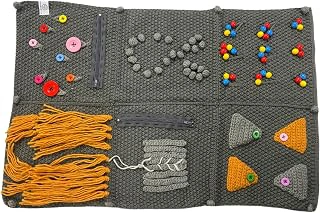
Handmade Fidget Blanket for Alzheimer's & Dementia
The Handmade Fidget Blanket for Alzheimer's & Dementia offers artisan craftsmanship for caregivers who value unique, hand-sewn sensory tools. Each blanket is individually made, which means texture, stitching, and sensory element placement may vary slightly from one piece to the next - a characteristic some families appreciate for its one-of-a-kind feel, while others may prefer the uniformity of factory-made options.
This blanket carries a 5.0 rating and is priced at $39.99, positioning it slightly above mass-produced alternatives. The handmade nature typically involves longer lead times and less predictability in finish details. Buyers should review recent feedback carefully to confirm current quality consistency and expected delivery windows, especially if the blanket is needed by a specific date.
Fidget blankets differ from weighted blankets: they provide tactile engagement through ribbons, buttons, zippers, and fabric patches rather than deep pressure. For dementia patients who experience nighttime restlessness driven by a need to touch and manipulate objects, a fidget blanket can occupy hands and reduce agitation without adding weight.
This option suits caregivers who prioritize supporting small-scale makers and who are comfortable with the variability inherent in handmade goods. Compare lead time, customization availability, and buyer photos in recent reviews to ensure the current batch aligns with your expectations before ordering.
- ✅ Handmade craftsmanship with unique, artisan quality
- ✅ 5.0 rating from buyers
- ✅ Provides tactile engagement through sensory elements
- ⚠️ Handmade variability may affect consistency
- ⚠️ Longer lead times typical for custom-made items
- ⚠️ Slightly higher price at $39.99
How to Determine the Right Weight and Size
The standard starting point for weighted blanket selection is ten percent of the user's body weight. For a person weighing 140 pounds, that suggests a 14-pound blanket. However, dementia patients - especially older adults with reduced muscle tone or limited mobility - often do better with blankets on the lighter end of that range or even slightly below it. A 12-pound blanket may provide enough calming pressure without creating a struggle during repositioning or independent removal at night.
Personal-size blankets, typically 42 by 72 inches, drape the body without hanging far over the mattress edge. This design keeps weight centered on the user and makes it easier for a caregiver to lift or adjust the blanket. Bed-sized options, such as queen or king dimensions, distribute weight across a larger surface and may feel less targeted, which can reduce the calming effect for someone who needs focused deep-pressure input on the torso and legs.
Weight distribution matters as much as total pounds. Look for blankets with small, evenly spaced pockets - usually quilted squares no larger than four or five inches - so glass beads or poly pellets stay uniform across the fabric. Uneven fill creates heavy spots that shift during sleep and may bunch uncomfortably under hips or shoulders.
Edge overhang should stay minimal. A blanket that drapes twelve inches over the side of the bed pulls downward with gravity, concentrating weight along one edge and making the blanket harder to move. If your loved one sleeps in a hospital bed or adjustable frame, measure the mattress width and choose a blanket that extends no more than six inches on each side.
Safety requires that the person can push the blanket off independently or signal for help without delay. If cognitive decline or physical weakness prevents either action, the blanket is too heavy. Test removal during a daytime rest period before introducing it at night, and always ensure a caregiver can hear a call bell or monitor system.
Choosing the Best Material: Breathability and Ease of Cleaning
Material choice affects both the comfort of the person with dementia and the workload of the caregiver. Breathability, ease of cleaning, and sensory feel all matter when selecting a weighted blanket for nighttime use.
Cotton covers offer the best balance of breathability and durability. The natural fiber wicks moisture away from the skin and allows air circulation, which helps prevent overheating during the night. Many seniors with dementia already struggle with temperature regulation, so a this product fabric reduces the risk of night sweats or discomfort that can trigger confusion or agitation. Cotton also stands up well to repeated machine washing, an important consideration when managing incontinence or spills.
Fleece and minky fabrics feel soft and cozy but trap heat more readily. These materials work well in cool climates or for individuals who tend to feel cold, but they can cause discomfort if the room is warm or if the person naturally runs hot. Minky in particular is plush and heavy on its own, which adds to the sensory input but may feel overwhelming to someone sensitive to texture.
Duvet-cover systems give you flexibility. A removable, machine-washable cover lets you refresh the blanket without laundering the entire weighted insert. This setup is practical when accidents happen frequently, since you can keep a spare cover on hand and swap it quickly. Look for covers with corner ties or zipper closures that prevent the insert from bunching or shifting during the night.
The fill material inside the blanket also shapes the experience. Glass beads are smaller, denser, and quieter than poly pellets. They distribute weight more evenly and create less rustling noise when the person moves, which can be important for individuals startled by unexpected sounds. Poly pellets are larger and tend to make a faint shifting sound; some people find this soothing, while others find it distracting. Glass beads also allow for a thinner blanket profile, which improves breathability and reduces bulk.
When incontinence is a regular concern, prioritize a blanket with a waterproof inner liner or pair the blanket with a waterproof mattress protector. Even the most washable cotton cover will wear out faster if it absorbs fluids repeatedly. A liner adds a layer of protection without compromising the weight distribution or feel of the blanket.
Choose a material that fits your laundering routine and the sensory preferences of the person using it. Cotton with glass-bead fill offers the most practical combination of breathability, quiet movement, and easy care for most dementia patients.
Essential Safety Precautions for Using Weighted Blankets with Seniors
Weighted blankets require careful evaluation before use with seniors, particularly those living with dementia. Anyone with severe respiratory conditions, chronic obstructive pulmonary disease, or breathing difficulties should avoid weighted blankets unless a physician explicitly approves their use. The added pressure can restrict chest expansion and make it harder to draw full breaths, especially for individuals who already struggle with lung function.
Mobility is another critical factor. If the person cannot lift or push the blanket off independently, a weighted blanket poses a serious entrapment risk. Test this before committing: can they remove a standard blanket without help? If not, a weighted option is not appropriate, regardless of anxiety symptoms. Some families mistakenly assume light dementia means full physical strength, but coordination and motor planning often decline alongside cognition.
Supervision during the first several nights is non-negotiable. Even when mobility seems adequate during the day, disorientation at night can prevent someone from recognizing they need to remove the blanket. A caregiver should check in periodically or use a baby monitor with video to observe movement and breathing patterns. If the person shows signs of distress, sweating, or labored breathing, remove the blanket immediately and consult a healthcare provider before trying again.
Certain medical conditions make weighted blankets unsuitable. Claustrophobia, severe heart conditions, circulation disorders, and a history of sleep apnea all require medical clearance. Do not assume that because a product is marketed for relaxation, it is safe for every user. When in doubt, bring the topic up at the next doctor's appointment with specifics: the planned weight, the person's current health status, and their ability to self-remove the blanket.
Choose a blanket weight that errs on the lighter side for frail seniors. A general guideline is 5-10% of body weight, but for someone with limited strength or advanced dementia, stay closer to 5% or even below. The blanket should feel like a gentle hug, not a restraint. If it takes visible effort to shift position under the blanket, it is too heavy.
Never secure or tuck a weighted blanket tightly around the person. It must remain loose enough to kick off or push aside without assistance. Avoid styles with ties, loops, or covers that require dexterity to remove. The simpler the design, the safer the experience.
How to Gently Introduce a Weighted Blanket to Your Parent
Introducing a weighted blanket to someone with dementia requires patience and a gradual approach that respects their comfort and autonomy. Start during daytime hours when your parent is calm and alert, rather than waiting until bedtime when confusion or resistance may be higher. Begin by draping the blanket over their lap or legs while they sit in a familiar chair, allowing them to feel the gentle pressure without the full weight covering their body.
Explain the purpose in simple, reassuring terms: "This blanket gives a soft hug" or "It helps you feel cozy and calm." Keep the language concrete and positive, avoiding lengthy explanations that may cause confusion. Stay nearby during the first few sessions to observe their reaction, watching for non-verbal cues such as relaxed shoulders, steady breathing, or signs of distress like fidgeting or attempts to push the blanket away.
Monitor comfort and temperature closely, as dementia can affect the ability to communicate feeling too warm or restricted. If your parent shows resistance - whether verbal or physical - remove the blanket immediately and try again another day. Some individuals may need several short exposures over a week or more before they accept the sensation. Once daytime tolerance is established, you can gradually transition to using the blanket at bedtime, starting with just part of the body covered and increasing coverage as comfort allows. The key is to move at their pace, never forcing the experience, and recognizing that a weighted blanket may not be the right solution for every individual with dementia.
When a Weighted Blanket May Not Be the Right Fit
Weighted blankets can provide comfort for many dementia patients, but they are not appropriate in every situation. Recognizing when a blanket poses risks or fails to meet a patient's needs is essential for safe, effective care.
Patients with advanced mobility limitations may lack the strength to shift or remove a heavy blanket independently. If someone cannot reposition themselves in bed or has difficulty moving their legs, the added weight can restrict circulation, increase fall risk during transfers, or create a sense of being trapped. In these cases, a lighter throw or even a standard duvet may be safer.
Claustrophobia and sensory sensitivities can also make weighted blankets uncomfortable. Some individuals with dementia experience heightened anxiety when covered by anything heavy, interpreting the pressure as confinement rather than comfort. If a patient pushes the blanket away repeatedly or shows signs of distress when it is placed on them, respect that response and consider a different approach.
Overheating is another common issue. Weighted blankets made with dense fill materials or non-this product covers can trap heat, leading to night sweats, restlessness, and disrupted sleep. Patients who already run warm or live in hot climates may find the blanket worsens sleep quality rather than improving it. A this product cotton or bamboo throw without added weight might work better in these situations.
Rejection of new textures is frequent among dementia patients, especially those in later stages. Introducing an unfamiliar fabric or sensation can trigger confusion or agitation rather than calm. If the patient had no prior positive experience with weighted blankets, it may take multiple attempts to acclimate - or it may simply not be the right fit.
Alternatives include weighted lap pads, which provide localized pressure during seated activities without covering the entire body. These smaller items are easier to remove and less likely to cause overheating. Sensory fidget blankets with textured patches, ribbons, or buttons can also redirect anxious hands and provide tactile comfort without added weight. Soft, familiar blankets in colors or patterns the patient recognizes may offer reassurance through memory rather than pressure.
No single tool resolves all nighttime anxiety. Weighted blankets are one option in a broader toolkit that includes routine, environment adjustment, and caregiver presence. If a blanket does not work, shifting to a different comfort strategy is not a failure - it is responsive, individualized care.
Final Thoughts: Balancing Comfort, Safety, and Independence
Choosing a weighted blanket for someone with dementia requires careful attention to weight limits, fabric practicality, and mobility. Start by calculating 7 - 10% of your mother's body weight to find a safe range, then confirm she can lift or reposition the blanket without strain. Washable covers and removable inserts simplify hygiene, while this product fabrics like cotton prevent overheating during the night.
Safety comes first. If your mother shifts positions frequently or gets up multiple times, a lighter option or a weighted lap pad may work better than a full-size blanket. Introduce the new blanket gradually - drape it over her legs for the first few nights, and watch for signs of discomfort or resistance. Not every person responds the same way, and that's normal.
Flexibility matters as much as the initial choice. Her preferences or physical abilities may change, so stay ready to adjust the weight, switch fabrics, or try a different configuration. Small improvements in comfort can reduce nighttime restlessness and give both of you more restful sleep.
Review the safety checklist, compare the three blankets by weight range and washability, and pick the option that fits her current needs. Observation during the first two weeks will tell you more than any product description can.