We may earn a commission when you buy through links on this page, at no extra cost to you. How this works.
Moving a wheelchair, walker, or rollator over a doorway threshold can turn a routine crossing into a frustrating obstacle. Even a half-inch lip creates enough resistance to jar wrists, tip lighter mobility aids, or force an awkward two-step maneuver that risks balance. A well-matched threshold ramp removes that barrier, but choosing one requires balancing three core tradeoffs: portability versus permanent installation, aluminum versus rubber construction, and compatibility with your specific rise height.
Portable aluminum ramps weigh less and travel easily between rooms or homes, making them ideal if you rent or need flexibility. Rubber ramps stay put without fasteners and absorb vibration, but they add weight and bulk. Rise height matters more than many shoppers expect - a ramp built for a three-quarter-inch threshold will wobble or create a steep angle on a two-inch step, while an oversized ramp wastes money and floor space.
Your mobility device also shapes the decision. Manual wheelchair users benefit from gentler slopes and wider surfaces that accommodate hand-rim clearance. Walker and rollator users prioritize stable edges that won't catch small front wheels. Power chair operators need ramps rated for heavier loads and enough traction to prevent wheel spin on smooth floors.
The five ramps compared here span residential doorways from half an inch to four inches, covering single-panel portables, modular kits, and heavy-duty rubber wedges. Each excels in a specific scenario, so understanding your doorway dimensions, device type, and whether the ramp will stay in one location or move with you will point you toward the right match.
Fit and safety come first
Use the comparison as a shortlist, but keep fit, comfort, and any health or safety constraints ahead of price.
What to Look For in a Non-Slip Threshold Ramp
Choosing the right threshold ramp depends on matching four key factors to your doorway and mobility device. Start by measuring the exact rise height of your threshold - most interior thresholds sit between half an inch and one inch, while exterior steps can reach two to three inches. The ramp you select must cover that full height without leaving a gap that could catch a wheelchair caster or walker leg.
Surface grip comes from two elements: the material itself and the texture pattern molded or applied to the top. Rubber ramps typically offer softer traction that works well in wet conditions and stays quieter under wheels, while aluminum ramps use raised ridges, perforations, or applied grit tape to channel water and prevent slipping. If you roll through the threshold multiple times daily in varied weather, look for a pattern that sheds moisture rather than pooling it.
Weight capacity must account for both the user and the mobility device together. A manual wheelchair user might total 250 pounds, but a power chair with batteries can add another 300 pounds or more. Manufacturers list capacity in their specifications - confirm your combined weight stays comfortably below that limit to maintain stability and prevent flexing under load.
Portability matters when you need to move the ramp between locations or store it out of the way. Aluminum ramps often fold in half and weigh five to ten pounds, making them easy to carry in a car trunk or closet. Solid rubber ramps weigh more - sometimes fifteen to twenty-five pounds - but sit flat without shifting, which works better for permanent placement where you want the ramp to stay put without anchoring.
Slope ratio affects how much effort it takes to push or walk up the transition. The ADA recommends a 1:12 ratio for public access, meaning one inch of rise requires twelve inches of ramp length, but many portable threshold ramps use steeper angles around 1:2 for compact fit. Steeper slopes demand more strength and control, especially for walker users who need to maintain balance while stepping up. If you have the floor space, a longer, gentler ramp reduces strain and wobble at the top.
How to Measure Your Doorway for the Right Ramp Height
Measuring your doorway threshold correctly prevents ordering a ramp that's too short or one that won't fit the available floor space. Start by placing a tape measure vertically from the floor surface to the highest point of the threshold lip - this measurement determines the ramp rise height you need. A 2-inch ramp won't safely bridge a 3.5-inch threshold, leaving a dangerous gap that can catch wheels or walker legs.
Check whether your threshold is level across its width or angled, since some door sills slope slightly from one side to the other. Next, measure the floor space available in front of the door to accommodate the ramp's slope length. Steeper ramps require less floor space but are harder to navigate, while gentler slopes need more room but roll more smoothly. Note whether your door swings inward or outward - an inward-swinging door may limit how close the ramp can sit to the threshold, while an outward-swinging door requires clearance above the ramp surface.
Finally, measure the doorway width to confirm the ramp will cover the full threshold span without leaving gaps on the sides. Once you have these measurements, compare them against the specific rise heights in the ramp reviews above to find the model that matches your setup without guesswork.
Aluminum vs. Rubber: Which Material Works for Your Situation
Choosing between aluminum and rubber often comes down to how you plan to use the ramp day-to-day. Aluminum ramps fold or roll for transport, making them the go-to choice when you need a ramp that moves between a car trunk, a friend's front step, and your own doorway. They weigh less - often under ten pounds for a single-fold design - and store flat in a closet or garage. The tradeoff is stability: aluminum can shift on smooth tile or painted concrete unless you anchor it with edge lips or add grip tape to the underside.
Rubber ramps stay put. Their weight and soft bottom surface create friction against the floor, so they resist sliding when a wheelchair rolls up or a walker applies forward pressure. That grip works especially well on wet outdoor thresholds, where rain or morning dew would make an unsecured aluminum ramp skate. Rubber also absorbs vibration and muffles the hollow sound you sometimes hear with metal. The cost is portability: most solid rubber threshold ramps weigh fifteen pounds or more and sit as a fixed wedge rather than folding for travel.
If you move the ramp frequently - taking it to appointments, visiting family, or switching it between multiple doorways in your home - aluminum's packability usually wins. If the ramp will live in one spot, especially outdoors or on a threshold exposed to moisture, rubber's natural traction and heft keep it secure without clips or fasteners. Storage space matters, too: a folding aluminum ramp slips behind a door, while a rubber wedge occupies the same footprint whether you're using it or not.
Indoor use on carpet or textured flooring gives aluminum an edge because the floor itself provides some grip, and lighter weight makes repositioning easy. Outdoor use on concrete, tile, or metal thresholds favors rubber, since weather and foot traffic demand a ramp that won't creep forward. When you know where the ramp will spend most of its time and how often you'll need to pick it up, the material choice becomes straightforward.
When to Choose a Longer Ramp Instead
Threshold ramps work well for small height differences, typically up to 2 or 3 inches. When the elevation change exceeds 4 inches, the slope becomes too steep for safe wheelchair or walker use, even with the longest threshold models. A rise-to-run ratio of 1:12 is the standard guideline for safe independent wheelchair access - meaning a 4-inch threshold would need a ramp at least 48 inches long to meet that slope. Most threshold ramps top out around 10 inches in length, making them unsuitable for taller steps or outdoor entry landings.
Outdoor steps, multi-level transitions, or permanent entryways often require modular ramp systems or professionally installed solutions. These longer ramps provide gradual inclines, stable platforms, and handrails when needed. Threshold ramps are portable and designed for single-step doorway lips, not staircases or significant grade changes.
If your home has a raised front porch, multiple steps, or you need a ramp longer than three feet, a modular aluminum ramp or custom-built system will provide better stability and safety. For complex access needs or uncertain measurements, a professional accessibility assessment can clarify which ramp type fits your situation and local building requirements.
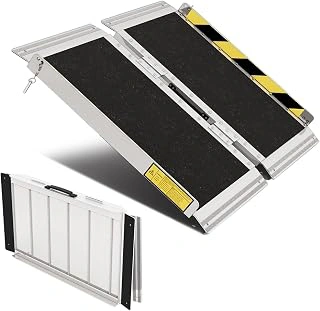
2FT Portable Folding Aluminum Wheelchair Ramp
Households that need a ramp to shift between the bedroom, bathroom, and front door - or families who visit relatives frequently - will appreciate the fold-in-half design of this 2-foot aluminum ramp. At $82.98, it collapses to half its deployed length, making it easy to store in a car trunk or closet when not in use. The aluminum construction keeps weight low without sacrificing the rigidity needed for manual wheelchairs and walkers crossing small thresholds.
With a 4.6 out of 5 rating, users note that the handles molded into the fold line make carrying straightforward, even for caregivers with limited upper-body strength. The non-slip surface texture provides traction in dry conditions, and the narrow profile fits most standard doorways without blocking the frame.
The portability does introduce a tradeoff: lighter aluminum means the ramp can shift under the rolling resistance of heavy power chairs unless you secure it with weight or friction pads. Manual wheelchair users and those pushing walkers typically experience stable crossings, but if you use a motorized mobility device regularly, you may need to add a friction mat underneath or choose a heavier rubber option that stays planted. For households that value the ability to move a ramp room-to-room or take it on the road, this folding design delivers flexibility that fixed-length models cannot match.
- ✅ Folds in half for compact storage and transport
- ✅ Lightweight aluminum construction with molded carry handles
- ✅ Non-slip surface texture for traction
- ✅ Fits standard doorways without blocking the frame
- ⚠️ May shift under heavy power chairs unless secured with friction pads or weight
- ⚠️ Lighter material trades some planted stability for portability
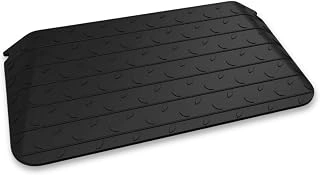
BESEA 3.5" Rise Rubber Threshold Wheelchair Curb Ramp
If one doorway sees constant wheelchair or walker traffic and the ramp will stay put, the BESEA 3.5" Rise Rubber Threshold Wheelchair Curb Ramp delivers the stability and grip that portable aluminum models cannot match. The solid rubber construction weighs enough to resist movement under repeated wheel strikes, and the textured surface maintains traction when wet - important for exterior doorways exposed to rain or snow.
The 3.5-inch rise fits standard residential thresholds and many commercial door frames without custom modifications. Rubber absorbs impact better than metal, reducing vibration and noise each time a wheelchair or walker crosses. The one-piece design reduces gaps or joints where wheels might catch, and the beveled edges on both sides allow smooth approach from either direction.
This ramp stays where you place it. The weight that provides stability also makes it impractical to move between rooms or transport in a vehicle. If you need a ramp for multiple doorways or travel, an aluminum folding model will serve better. The rubber surface can retain heat in direct sun and may show scuff marks over time, though neither affects function.
At $76.00, the cost sits between budget hard plastic options and premium modular systems. The 4.6/5 rating reflects reliability in fixed installations where stability outweighs portability. Compare the 3.5-inch rise to your threshold height before ordering - if your door frame measures closer to a larger amount, a lower-profile ramp will provide a gentler slope and easier push effort.
- ✅ Heavy rubber construction prevents sliding under repeated use
- ✅ Textured surface maintains grip in wet conditions
- ✅ One-piece design eliminates joints where wheels can catch
- ✅ Absorbs impact and reduces noise compared to metal ramps
- ⚠️ Weight makes it impractical to move between locations
- ⚠️ Not suitable for transport or temporary use
- ⚠️ Rubber surface can retain heat in direct sunlight
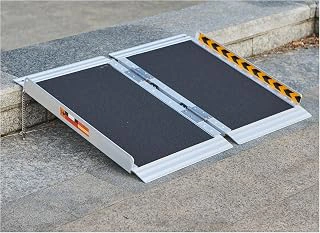
FACHNUO 2FT Portable Aluminum Wheelchair Ramp
The FACHNUO 2FT Portable Aluminum Wheelchair Ramp offers a compact solution for households that need a second ramp or want portability without the bulk. Priced at $84.98 with a 4.5 rating, it sits in the same value range as other aluminum models but focuses on shorter transitions and frequent repositioning.
At two feet long, this ramp suits low-profile thresholds and single-step entries where space is tight. The aluminum construction keeps weight manageable for moving the ramp between doorways or storing it in a vehicle. A built-in carry handle simplifies transport, which matters when you need the ramp at multiple locations rather than leaving it permanently installed.
The non-slip surface pattern provides traction across the deck, helping maintain grip during wet or dusty conditions. The fold mechanism is straightforward, though comparing the exact fold dimensions and weight against similar aluminum models helps clarify which design fits your storage area or trunk better. Because the ramp is shorter, the incline becomes steeper on taller thresholds, so measure your specific rise to confirm the slope remains comfortable for your wheelchair or walker.
This model works well as a secondary ramp for back doors, garage entries, or visiting family members who need occasional access. If you already own a longer aluminum ramp for your main entrance, the FACHNUO provides a lighter backup without duplicating features you won't use. For households choosing their first portable ramp, side-by-side spec comparison with other two-foot aluminum options reveals differences in fold style, handle position, and edge design that affect daily handling.
- ✅ Compact 2-foot length fits tight doorways and vehicles
- ✅ Built-in carry handle simplifies repositioning
- ✅ Non-slip surface pattern maintains traction
- ✅ Aluminum construction balances durability and portability
- ⚠️ Shorter length creates steeper slope on taller thresholds
- ⚠️ Limited specs make direct fold-dimension comparison necessary
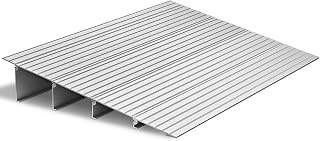
VEVOR 4'' Rise Aluminum Alloy Door Threshold Ramp
When a standard 2-inch threshold ramp creates an uncomfortably steep angle, the VEVOR 4'' Rise Aluminum Alloy Door Threshold Ramp offers a gradual slope designed for taller doorway barriers. The aluminum construction handles the structural demands of a 4-inch rise while keeping the ramp light enough to reposition when needed.
The longer slope length spreads the rise over more distance, which makes wheeling smoother but requires additional floor space in front of the doorway. Measure the available clearance before ordering - this ramp extends farther into the room than compact 2-inch models, and furniture or tight hallways can interfere with placement.
The 4.2 rating reflects mixed experiences with fit. Some buyers report solid performance on standard residential thresholds, while others mention gaps or wobble depending on door frame geometry. Aluminum ramps rely on precise contact with the floor and threshold edge for stability, so uneven surfaces or non-standard door construction can affect how securely the ramp seats.
This ramp works best when you've confirmed the exact threshold height and verified that the slope length fits your layout. The tradeoff is straightforward: you gain a gentler incline and easier wheelchair or walker navigation, but you give up floor space and accept slightly more variability in how the ramp adapts to different doorway profiles.
- ✅ Gradual slope reduces effort for 4-inch thresholds
- ✅ Aluminum construction balances strength and portability
- ✅ Longer rise distance eases wheelchair maneuvering
- ⚠️ Requires more floor space than shorter ramps
- ⚠️ 4.2 rating suggests fit variability across door types
- ⚠️ Stability depends on precise threshold and floor contact
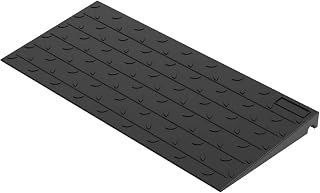
2 Inch Rise Rubber Threshold Wheelchair Ramp
Standard interior doorways with shorter thresholds often create just enough of a barrier to make daily wheelchair or walker transitions awkward. This 2-inch rubber ramp addresses that specific height range, offering a compact footprint that fits flush against most interior door frames without extending far into the hallway.
The rubber construction provides a stable, non-slip surface that grips the floor beneath and offers traction on top. At $55.99, the price sits well below taller or aluminum models, making it a practical option when you know your threshold measures two inches or less. The 4.6 rating reflects solid performance in typical indoor settings where the ramp stays dry and protected from weather.
This model works best for interior bedroom, bathroom, or hallway transitions where the threshold height is modest and the ramp will not be exposed to rain, snow, or heavy outdoor traffic. The rubber material can handle daily use from manual wheelchairs, power chairs, and walkers, but the 2-inch height limitation means it will not bridge taller outdoor thresholds or patio door tracks that measure a larger amount or more.
If your threshold exceeds a larger amount, the ramp will create a steep angle that reduces stability and increases effort. Measure your threshold height before purchasing - if you find a larger amount, the taller rubber model or an adjustable aluminum option will provide a safer, more gradual slope. For indoor doorways with the right height, this ramp delivers dependable traction and a low profile at a budget-friendly price.
See current price and customer reviewsInstallation and Safety Checklist for Threshold Ramps
- Test the ramp with your specific mobility device before relying on it daily
- For portable aluminum ramps, check that fold mechanisms lock securely when deployed
- Position rubber ramps so the beveled edge faces the direction of approach
- Ensure the ramp sits flush against the threshold with no gap that could catch wheels
- Confirm the ramp width covers the full wheelchair or walker wheel base
- For outdoor use, verify that the ramp surface drains water and doesn't pool moisture