You're weighing three variables: your parent's willingness to accept help, their ability to follow preparation steps, and your budget. Most meal delivery marketing targets foodies, not 80-year-olds with arthritis who'd rather skip dinner than wrestle with vacuum-sealed plastic.
The right solution depends less on menu creativity and more on friction points. Can your mom open the packaging? Will your dad remember to heat it? Does the service require app navigation or allow simple phone orders? This comparison cuts through the lifestyle branding to focus on physical ease, cognitive simplicity, and financial transparency.
We've selected five approaches - from zero-prep emergency meals to guided cooking plans - that address different scenarios. One may fit your parent today; another might suit them six months from now as needs change.
Quick comparison
| U.S. Meals Ready to Eat (MRE) Variety Pack of 12 with Flameless Heater | Check current MRE pack pricing |
| Yoder’s Canned Fully Cooked Shelf Stable Bacon - 10 Year Storage | Compare shelf-stable bacon prices |
| Quick & Easy Mediterranean Diet Cookbook for Seniors with 60-Day Meal Plan | View Mediterranean cookbook details |
Fit and safety come first
Use the comparison as a shortlist, but keep fit, comfort, and any health or safety constraints ahead of price.
How We Chose the 'Easiest' Services for Your Parents
We prioritized preparation simplicity over culinary sophistication. Each option here requires minimal steps - no chopping, minimal dish-washing, and clear instructions.
Physical accessibility mattered. We favored packaging that doesn't require scissors, peeling, or significant hand strength. Cognitive load also factored in: does the senior need to remember delivery schedules, navigate apps, or make complex reheating decisions?
Finally, we considered financial flexibility. Fixed subscriptions create stress if meals go uneaten. Options here include pay-as-you-go choices and one-time purchases that let families test approaches without long-term commitment.
The 5 Easiest Meal Delivery Services for Seniors in 2024
The following solutions range from no-preparation emergency meals to structured cooking guidance. Each addresses a specific barrier: forgotten meals, limited mobility, dietary restrictions, or resistance to 'delivered food.' Review the preparation requirements and costs to match your parent's current capabilities and preferences.
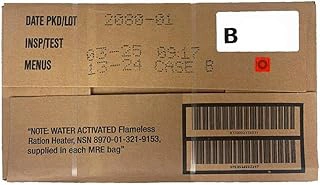
U.S. Meals Ready to Eat (MRE) Variety Pack of 12 with Flameless Heater
This variety pack solves the 'forgotten grocery run' problem. Each meal requires no refrigeration and heats without electricity using a flameless chemical heater - crucial during power outages or if your parent avoids the microwave.
The trade-off: these are military-grade rations, not restaurant food. Texture and flavor won't impress anyone, but they deliver calories and require zero cooking skill. Imagine your dad ignores lunch three days running because he 'didn't feel like cooking.' An MRE sitting in the pantry eliminates that excuse. Just add water to the heater bag, wait ten minutes, and eat from the pouch.
At $49.90 for twelve meals, the per-meal cost is about $4.16. The 4.7 rating suggests acceptable taste for emergency use. Best for: seniors who skip meals due to cooking fatigue, backup nutrition during recovery, or homes where appliance use is a safety concern.
- ✅ No refrigeration or cooking required
- ✅ Works during power outages
- ✅ Long shelf life for emergency backup
- ✅ Arthritis-friendly packaging
- ⚠️ Military ration taste and texture
- ⚠️ Not suitable for daily use
- ⚠️ Limited variety within pack
- ⚠️ Single-use packaging waste

Yoder’s Canned Fully Cooked Shelf Stable Bacon - 10 Year Storage
Shelf-stable protein addresses two senior nutrition gaps: inadequate protein intake and the hassle of cooking meat. This canned bacon requires no refrigeration before opening and no stovetop work - just open, drain, and eat cold or microwave briefly.
The ten-year storage makes it practical for seniors who grocery shop infrequently or forget to use perishables. Suppose your mom loves bacon but can no longer safely manage stovetop grease splatters. She can keep several cans in the pantry and add protein to any meal without raw meat handling.
At $35.95 per can, it's premium pricing for convenience. The 5.0 rating indicates strong satisfaction, likely from the ease factor. Consider this an ingredient solution rather than a complete meal - pair it with simple sides or add to scrambled eggs your parent can make in the microwave.
- ✅ No refrigeration until opened
- ✅ No stovetop cooking needed
- ✅ Ten-year shelf life
- ✅ Easy can-opener access
- ⚠️ Higher cost per serving
- ⚠️ Not a complete meal solution
- ⚠️ Sodium content may be high
- ⚠️ Limited to one protein type
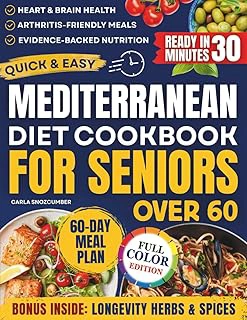
Quick & Easy Mediterranean Diet Cookbook for Seniors with 60-Day Meal Plan
For seniors who resist 'delivered food' and prefer cooking, this cookbook removes the planning burden. The 60-day meal plan eliminates daily 'what should I eat' decisions - a common reason seniors default to toast or skip meals entirely.
Mediterranean recipes typically emphasize simple preparations: olive oil, vegetables, fish, and whole grains. The senior focus suggests larger print, fewer complex techniques, and ingredient lists that don't require specialty store trips. Picture your dad who insists on cooking but makes the same three meals on repeat. A structured plan introduces variety without overwhelming choice.
At $17.99, it's a one-time cost with no recurring fees. The 4.9 rating indicates clear instructions and realistic recipes. Best for: cognitively sharp seniors who need structure, not shortcuts, and families seeking to support autonomy rather than replace it.
- ✅ Preserves cooking independence
- ✅ 60-day plan eliminates decision fatigue
- ✅ One-time purchase, no subscription
- ✅ Heart-healthy recipe focus
- ⚠️ Requires cooking ability and mobility
- ⚠️ Still demands grocery shopping
- ⚠️ Not suitable for cognitive decline
- ⚠️ No prepared food included
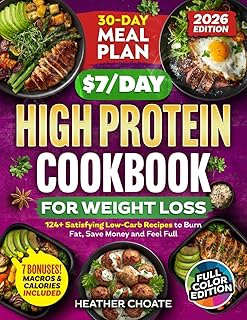
High Protein Cookbook for Weight Loss with Low Carb Recipes and 30-Day Meal Plan
This cookbook targets seniors managing blood sugar, muscle loss, or post-surgery recovery requiring higher protein. The 30-day meal plan and low-carb focus suit diabetics or pre-diabetics who need structure beyond 'eat healthy.'
High protein becomes critical as seniors age - it preserves muscle mass and supports healing. If your mom's doctor recommended protein increases but she's unsure how to translate that into meals, a structured plan prevents guesswork. The recipes presumably avoid complex cooking while hitting protein targets through accessible ingredients like eggs, yogurt, and lean meats.
At $19.95, it's slightly more than the Mediterranean option but includes specialized dietary targeting. The 4.6 rating suggests practical, followable recipes. Pair this with a weekly grocery delivery service if shopping is becoming difficult, so your parent has ingredients ready without additional outings.
- ✅ Addresses muscle-loss concerns
- ✅ Blood sugar management support
- ✅ 30-day structured plan
- ✅ No ongoing subscription costs
- ⚠️ Requires active cooking
- ⚠️ May need specialized ingredients
- ⚠️ Not for seniors with swallowing issues
- ⚠️ Assumes kitchen competence
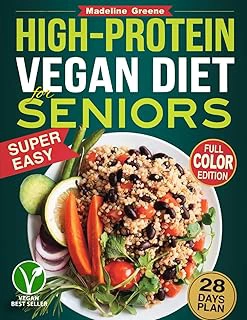
High-Protein Vegan Diet Cookbook for Seniors
Vegan seniors face a double challenge: finding adequate protein without meat while accommodating aging digestion. This cookbook solves the 'where do I get protein' question that stumps many plant-based eaters and their concerned families.
Vegan protein sources - legumes, tofu, tempeh, nuts - require different cooking approaches than meat. A senior-specific guide presumably addresses texture modifications (softer beans, blended soups) and simpler techniques. Suppose your mom has been vegetarian for decades but her doctor flagged low protein levels. She won't start eating chicken, so she needs plant-based strategies that work with her current preferences and abilities.
At $17.99 with a 4.3 rating, it fills a niche need. The rating is slightly lower than other cookbooks here, possibly due to vegan recipe complexity or ingredient availability in some areas. Best for: committed plant-based seniors with cooking skills intact who need nutritional guidance, not meal delivery.
- ✅ Solves vegan protein challenge
- ✅ Supports existing dietary preferences
- ✅ One-time purchase
- ✅ Plant-based health benefits
- ⚠️ May require specialty ingredients
- ⚠️ Needs cooking ability
- ⚠️ Lower rating suggests complexity
- ⚠️ Not for meat-eating seniors
At-a-Glance: Comparing Costs, Menus, and Flexibility
The MRE pack costs about $4.16 per meal but requires zero preparation - practical for backup, not daily dining. Shelf-stable bacon at $35.95 per can is an ingredient, not a meal system, suited for protein supplementation.
Cookbooks range from $17.99 to $19.95 with no recurring costs. They demand cooking ability but preserve independence and accommodate dietary preferences. The Mediterranean plan earned the highest rating (4.9) for clarity and feasibility. The high-protein options suit specific medical needs, while the vegan guide serves a narrow but important niche.
None of these are traditional 'meal delivery services' in the subscription box sense. That's deliberate. Many seniors resist scheduled deliveries, app-based ordering, and unfamiliar brands. These options meet seniors where they are: emergency backup, pantry staples, or structured self-sufficiency.
How to Introduce a Meal Service to an Independent Parent
Frame it as your need, not theirs. 'Mom, I worry when I'm at work. Would you try keeping some backup meals so I can relax?' works better than 'You're not eating right.'
Start with a one-time purchase - a cookbook or single MRE pack - not a subscription. Let them control the decision to continue. If they cook, position the cookbook as adding variety, not replacing their skills. If they resist all help, shelf-stable options in the pantry offer invisible support they can use without admitting need.
Watch for signs the current solution is failing: weight loss, repeated meals, expired food in the fridge. These signal when to graduate from cookbooks to more prepared options. Revisit the conversation every few months as needs change, presenting new options as circumstance-appropriate, not failure-related.
Beyond Food: Other Benefits of Meal Delivery for Seniors
Structured meal solutions create routine. Your parent eats at predictable times rather than grazing or skipping meals, which stabilizes blood sugar and medication timing.
Reduced cooking also means reduced safety risks. Fewer stovetop sessions mean less fire danger and fewer opportunities to forget a burner. Emergency shelf-stable meals ensure nutrition continues during power outages, illness, or when mobility flares prevent kitchen use.
For families, these solutions buy peace of mind and reduce the 'what did you eat today' interrogation that strains relationships. Your parent maintains dignity; you maintain sanity. That emotional return is worth far more than the meal cost alone.